









VFD Cable: Specifications, Standards, and Growing Importance in Modern Infrastructure
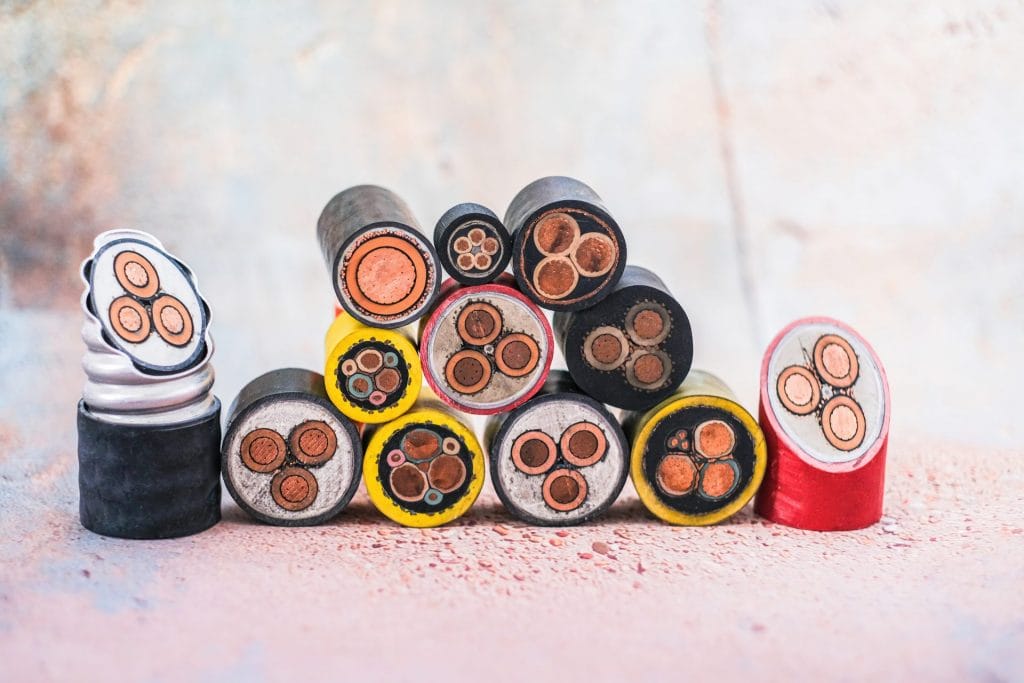
As industrial automation, energy efficiency initiatives, and data center expansion continue to accelerate, Variable Frequency Drives (VFDs) are becoming a standard component in modern electrical systems. VFDs allow motors to operate at variable speeds by adjusting frequency and voltage, improving process control while reducing energy consumption. However, the electrical characteristics of VFD systems introduce unique challenges that require specially designed cable solutions. VFD cable withstands electrical noise, voltage spikes, and thermal stress from pulse-width modulation (PWM) signals, ensuring reliable performance in industrial, commercial, and mission-critical environments.
Why VFD Cable is Different from Standard Power Cable
Why VFD Cable is Different from Standard Power Cable
Unlike standard building wire such as THHN or basic tray cable, VFD cable withstands high-frequency switching and rapid voltage rise times generated by modern motor drives. PWM output from VFDs generates voltage spikes that can exceed two to three times the nominal operating voltage, placing increased stress on insulation systems. These spikes, commonly referred to as reflected wave voltage, can degrade standard insulation materials over time, leading to premature cable failure or motor damage.
To address these challenges, VFD cables typically use enhanced insulation systems such as cross-linked polyethylene (XLPE) or ethylene propylene rubber (EPR). These materials provide improved thermal performance, electrical stability, and resistance to corona discharge. Many VFD cables are rated for 600V, 1000V, or 2kV applications depending on system requirements and installation environment.
Another key design feature is low capacitance construction. Lower capacitance reduces charging current losses and minimizes motor heating, particularly in installations with long cable runs. Reduced electrical losses contribute to improved system efficiency and longer motor lifespan.
Shielding and Grounding Considerations
Shielding and Grounding Considerations
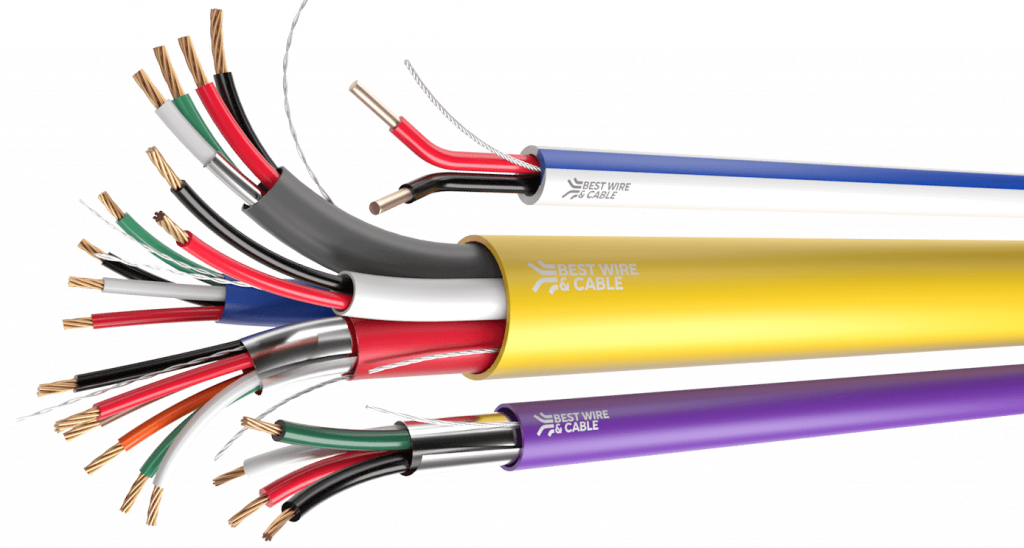
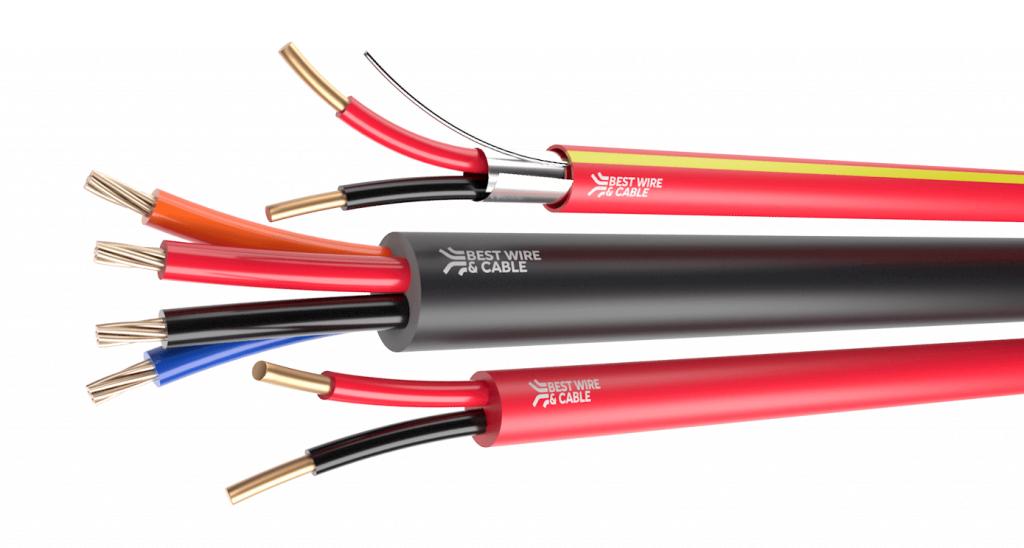
One of the most important differences between VFD cable and traditional power cable is shielding design. VFD systems produce electromagnetic interference (EMI) that can disrupt nearby control systems, instrumentation, and communication networks. To minimize electrical noise, VFD cables typically incorporate foil shields, braided shields, or a combination of both.
Foil shields provide 100 percent coverage and are effective at reducing high-frequency interference, while braided shields offer improved mechanical durability and lower impedance grounding paths. Premium VFD cables often include both shielding types along with symmetrical grounding conductors positioned around the power conductors. Symmetrical grounds help reduce common mode currents that can cause bearing damage in motors, a common issue in VFD installations.
Proper grounding and shield termination are critical for optimal performance. Incorrect installation can result in increased EMI, nuisance equipment shutdowns, or reduced cable lifespan.
Applicable Standards and Compliance
Applicable Standards and Compliance
VFD cables must meet various industry standards to ensure safety, reliability, and performance consistency. In the United States, many VFD cables are manufactured in accordance with UL and NEC requirements.
Common UL standards include UL 1277 for tray cable and UL 2277 for flexible motor supply cable. Many VFD cables are also marked TC-ER (Tray Cable Exposed Run), allowing installation in cable tray systems as well as exposed industrial environments without requiring continuous conduit.
The National Electrical Code (NEC) provides installation guidance through Articles 300, 310, and 336, along with Article 430 covering motor circuits. Compliance with these standards ensures that VFD cable installations meet safety requirements and maintain long-term operational reliability.
Industry organizations such as IEEE and ICEA also publish performance and testing guidelines related to insulation systems, grounding methods, and electromagnetic compatibility. These standards help engineers specify cable constructions capable of handling demanding operating conditions.
Applications Across Industrial and Commercial Sectors
Applications Across Industrial and Commercial Sectors
VFD cable is widely used across industries where motor speed control improves operational efficiency. Common applications include pumps, fans, conveyors, compressors, chillers, and processing equipment. Industries such as manufacturing, water treatment, oil and gas, mining, and food processing rely heavily on VFD technology to optimize production and reduce energy consumption.
In HVAC systems, VFDs allow motors to operate only at the speed required to maintain temperature and airflow conditions. This significantly reduces power consumption compared to constant-speed motor operation.
Water and wastewater treatment facilities also benefit from VFD systems, as pump speeds can be adjusted based on real-time demand conditions. This not only conserves energy but also reduces mechanical wear on equipment.
Increasing Importance in Data Centers
Increasing Importance in Data Centers
As data center construction continues to expand, VFD cable is playing a growing role in supporting mission critical cooling infrastructure. Cooling systems represent a significant portion of energy usage within hyperscale and colocation facilities. VFD-driven equipment such as cooling towers, CRAH units, chillers, and fluid pumps allow operators to dynamically adjust cooling output based on server load conditions.
Because data centers require extremely high uptime reliability, cable performance becomes especially important. VFD cable helps ensure stable motor operation while reducing electrical interference that could impact sensitive monitoring systems and communication networks.
In large-scale facilities, properly specified VFD cable can contribute to improved energy efficiency, reduced maintenance requirements, and longer equipment life cycles.
Construction Options and Installation Flexibility
Construction Options and Installation Flexibility
Modern VFD cables are available with a variety of jacket materials designed for different environmental conditions. Options may include PVC, CPE, TPE, or XLPE jackets with sunlight resistance, oil resistance, or direct burial ratings. Some constructions are designed for continuous flex applications, making them suitable for robotics or automated manufacturing systems.
Armored VFD cable designs provide additional mechanical protection in demanding environments where cable may be exposed to physical stress or impact.
Tray-rated constructions allow installation in cable tray systems commonly used in industrial facilities, reducing installation time and labor costs.
Conclusion
Conclusion
Variable Frequency Drive cables have become an essential component in modern electrical infrastructure as industries continue to prioritize automation, energy efficiency, and system reliability. Its specialized insulation systems and advanced shielding designs help protect against electrical noise, voltage spikes, and harsh operating conditions. Built to meet recognized industry standards, VFD cable delivers the performance needed to support efficient motor operation in demanding environments.
As data centers expand, automation accelerates, and electrification advances, demand for high-performance VFD cable solutions continues to grow. Proper cable selection not only improves system efficiency but also helps protect valuable equipment, reduce downtime, and support long-term operational success.
Click here to view our VFD Products