










Continuous Flex Industrial Cables: Why They Matter in Modern Automation
Continuous flex industrial cables are designed to operate reliably in environments where cables must bend, twist, and move constantly without failure. As automation expands across manufacturing, robotics, logistics, and data centers, these cables have become essential components in maintaining uptime, productivity, and equipment longevity.
Unlike standard tray cable or control cable, continuous flex cables are engineered specifically for dynamic motion applications. Their construction allows them to endure millions of flex cycles while maintaining electrical integrity and mechanical durability. As Industry 4.0 technologies continue to evolve, continuous flex cables are becoming a foundational part of modern industrial infrastructure.
What Are Continuous Flex Industrial Cables?
What Are Continuous Flex Industrial Cables?
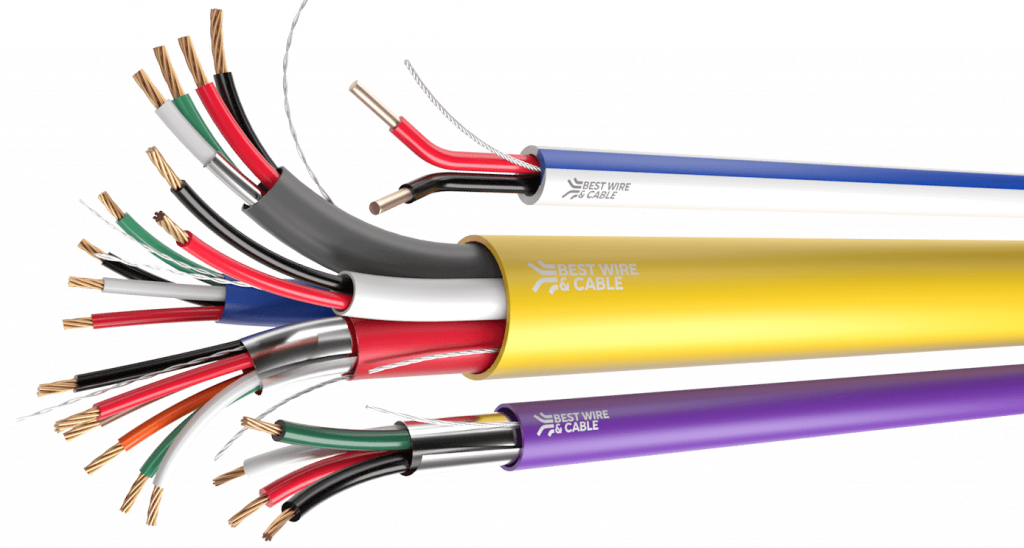
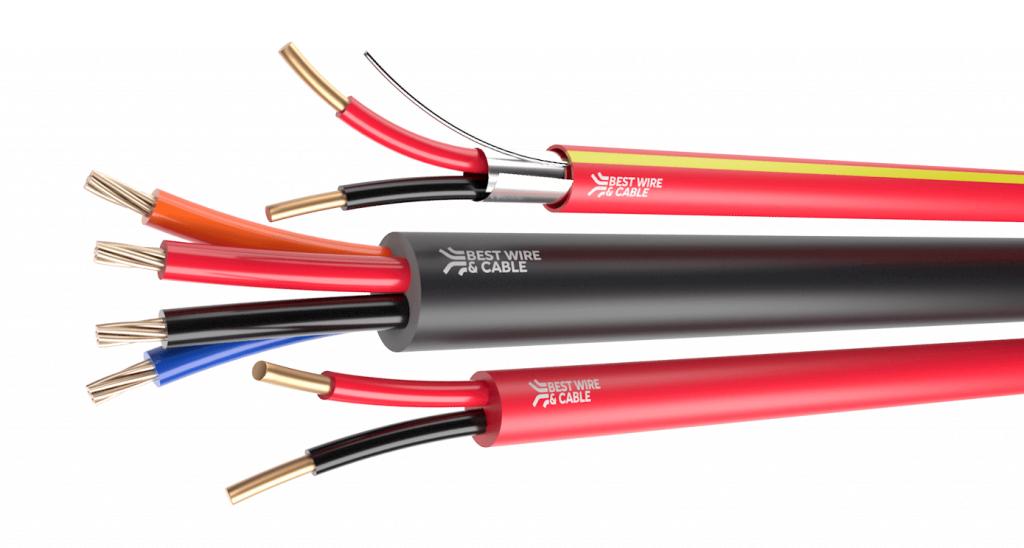
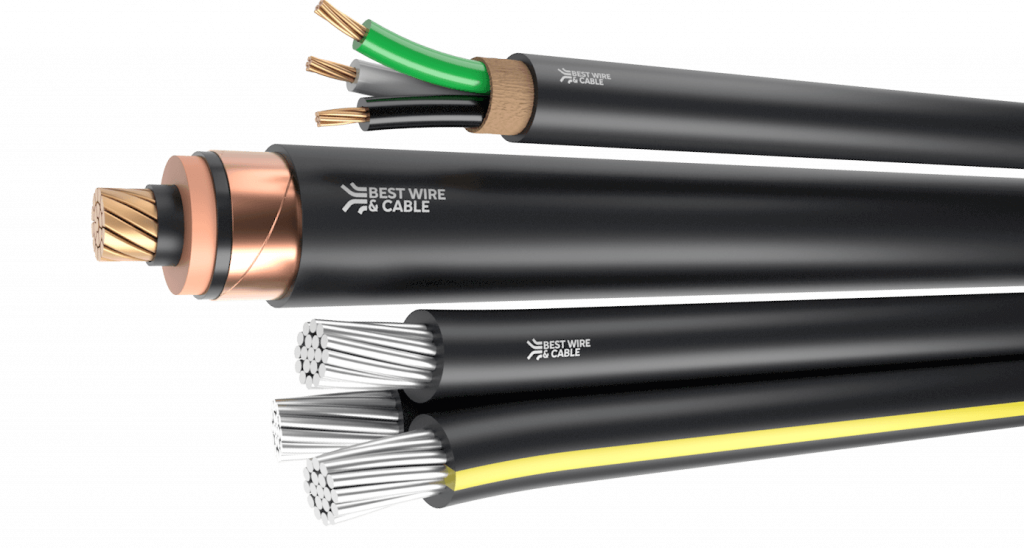
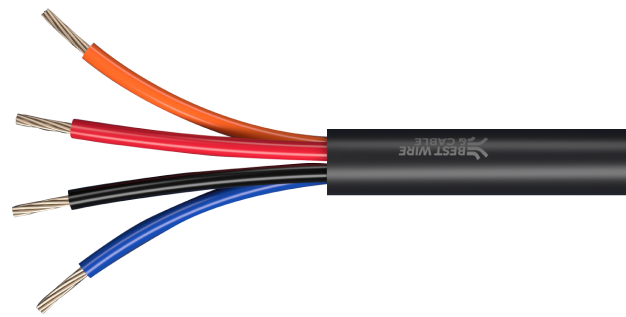
Continuous flex cables are specialized power, control, or data cables designed to perform in applications where repeated movement occurs. These cables typically operate within cable carriers (drag chains), robotic arms, gantry systems, and automated machinery.
Standard cables may fail prematurely when exposed to constant bending due to insulation cracking, conductor fatigue, or shielding damage. Continuous flexibility cables prevent these issues through improved conductor stranding, insulation compounds, and jacket materials designed to handle motion stress.
Typical design improvements include:
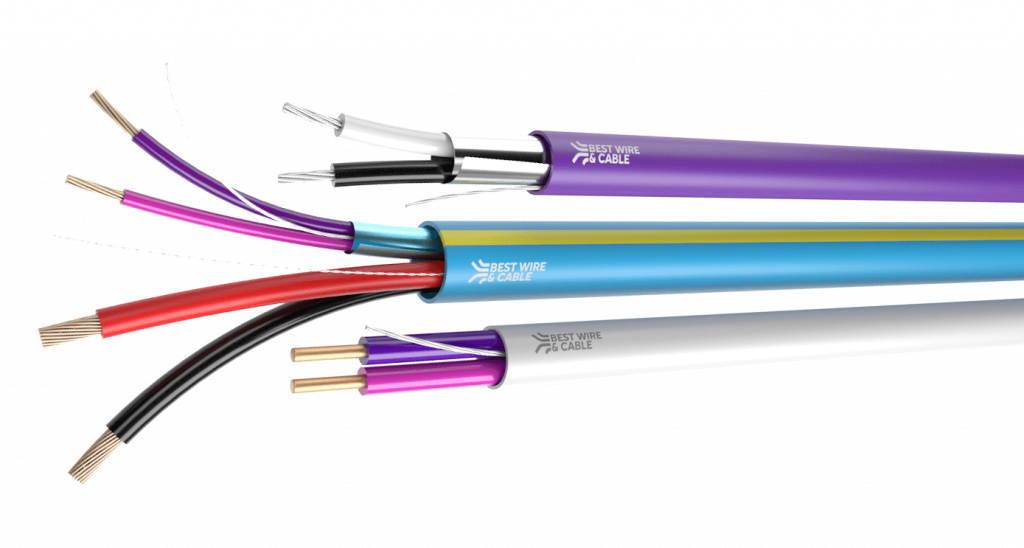
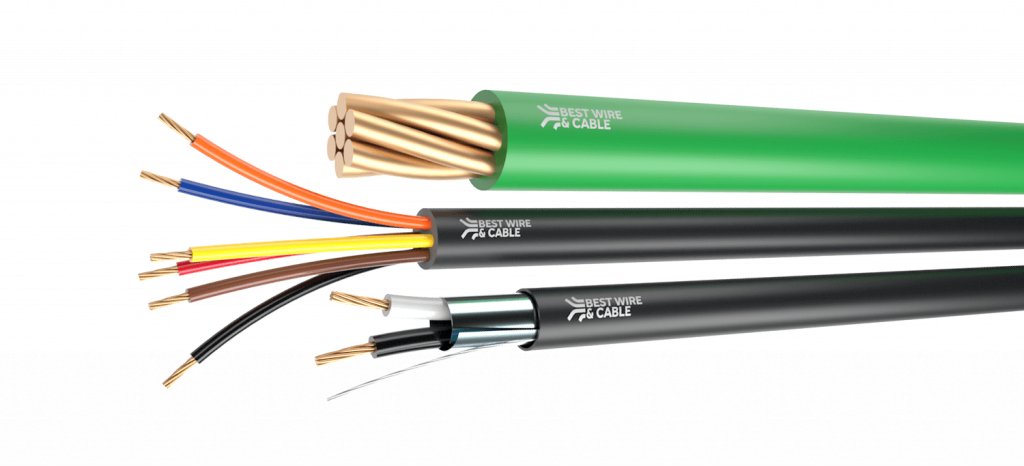
- finely stranded copper conductors
- high-flexibility insulation materials such as TPE or PUR
- reinforced shielding systems
- oil and abrasion resistant jackets
- optimized lay lengths to reduce internal stress
- high cycle life ratings (often 5–20+ million cycles)
These features allow the cable to maintain performance even in demanding industrial environments.
Key Specifications and Construction Features
Key Specifications and Construction Features
Continuous flex cables are engineered with several performance characteristics that differentiate them from traditional cable designs.
High Strand Count Conductors
Conductors typically use very fine copper strands, improving flexibility and reducing metal fatigue during repeated bending cycles.
Flexible Insulation Materials
Common insulation materials include:
- TPE (Thermoplastic Elastomer)
- PUR (Polyurethane)
- PVC (special flexibility formulations)
- XLPE (cross-linked polyethylene in some designs)
PUR jackets are particularly popular due to their:
- high abrasion resistance
- oil resistance
- chemical resistance
- extended service life
Shielding for EMI Protection
Many continuous flex cables incorporate shielding systems to protect signals from electromagnetic interference.
Shield types include:
- foil shields
- braided copper shields
- combination foil + braid shields
Shielding is especially important in environments where VFD drives, motors, or high power equipment operate nearby.
Temperature Ratings
Typical operating temperature ranges:
- PVC: -5°C to 70°C
- PUR: -40°C to 90°C
- TPE: up to 105°C depending on design
Higher temperature ratings improve reliability in harsh environments.
Voltage Ratings
Common voltage ratings include:
- 300V
- 600V
- 1000V
Special constructions may support higher voltages depending on application requirements.
Common Applications for Continuous Flex Cable
Common Applications for Continuous Flex Cable
Continuous flex cables are widely used across multiple industries where automation continues expanding.
Robotics
Robotic arms rely heavily on continuous flex cable for power, control signals, and data transmission. These cables must withstand torsion and multi-axis movement.
Automated Manufacturing Equipment
CNC machines, assembly lines, and packaging systems require cables that can endure repetitive movement cycles without performance degradation.
Material Handling Systems
Automated warehouses and conveyor systems depend on flex-rated cables for reliable operation of sensors, motors, and control systems.
Industrial Ethernet and Communication Systems
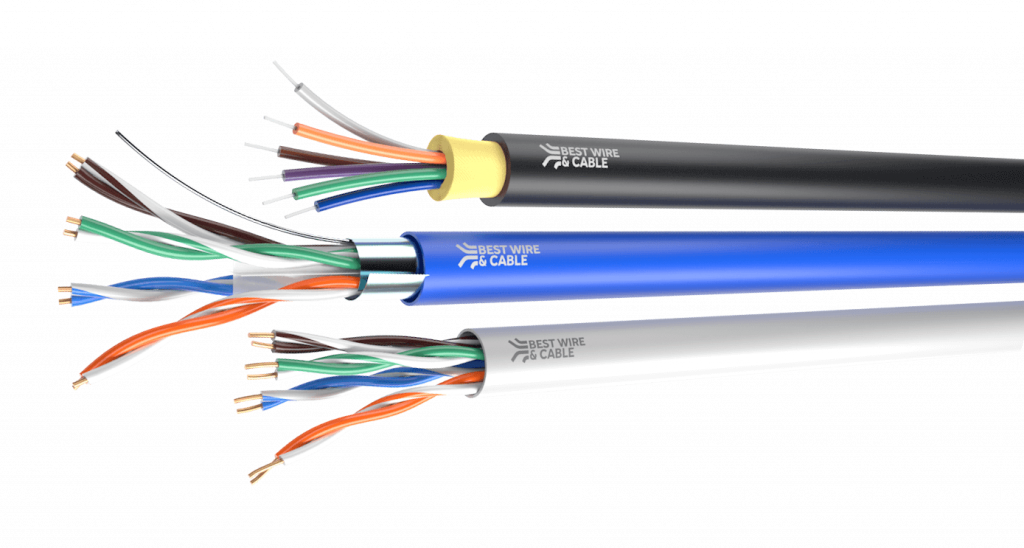
Continuous flex Ethernet cable supports high-speed data transmission in moving equipment environments.
Automotive Manufacturing
Vehicle production lines use robotic welding and painting systems that require high-performance continuous flex cable.
Semiconductor Manufacturing
Cleanroom environments rely on flex cables designed to reduce particle generation while maintaining flexibility.
Importance in Industry 4.0 and Smart Manufacturing
Importance in Industry 4.0 and Smart Manufacturing
Industry 4.0 continues driving adoption of automation technologies that rely heavily on motion control systems. Continuous flex cables play a critical role in enabling reliable machine performance within these systems.
Key trends increasing demand include:
- increased robotic installations
- automated logistics systems
- predictive maintenance technologies
- digital manufacturing platforms
- higher production efficiency requirements
Cable failure in automated environments can result in significant downtime costs. As a result, companies prioritize cables designed to maintain performance under continuous motion conditions.
Continuous flexibility cable helps reduce:
- maintenance frequency
- unexpected downtime
- equipment repair costs
- signal interference issues
Control Cable vs Continuous Flex vs Tray Cable
Continuous Flex vs Tray Cable vs Control Cable
While tray cable and control cable perform well in static installations, continuous flex cable is specifically designed for motion environments.
Primary differences include:
- improved flexibility
- longer service life in dynamic applications
- enhanced shielding stability during movement
- improved insulation durability
Using standard cable in continuous motion applications often leads to premature failure, making flexibility-rated cable a necessary investment.
Role in Data Centers and Emerging Infrastructure
Role in Data Centers and Emerging Infrastructure
Continuous flex cable is increasingly used in automated cooling systems, movable server racks, and robotic maintenance systems within large data center environments.
As hyperscale data centers grow, automated systems are being implemented to improve cooling efficiency and optimize hardware management. Continuous flex cables support these moving components, ensuring reliable power and communication performance.
Future Outlook for Continuous Flex Cable
Future Outlook for Continuous Flex Cable
Demand for continuous flex cable is expected to increase as automation expands across multiple industries. Robotics adoption continues to grow globally, while manufacturers invest in efficiency improvements and smart technologies.
Cable manufacturers are continuing to develop:
- longer cycle life designs
- smaller bend radius constructions
- improved shielding performance
- halogen-free jacket options
- hybrid power and data flex cables
These innovations support increasingly complex industrial environments where reliability and uptime are critical.
Summary
Continuous flex industrial cables are essential for modern automation systems that require reliable performance under constant motion. Their specialized construction supports millions of flexibility cycles while maintaining electrical integrity.
As robotics, smart manufacturing, and automated infrastructure continue expanding, continuous flex cables will remain a critical component supporting efficient, reliable industrial operations.
Explore Our Products