








Amazon & Corning’s Fiber Expansion
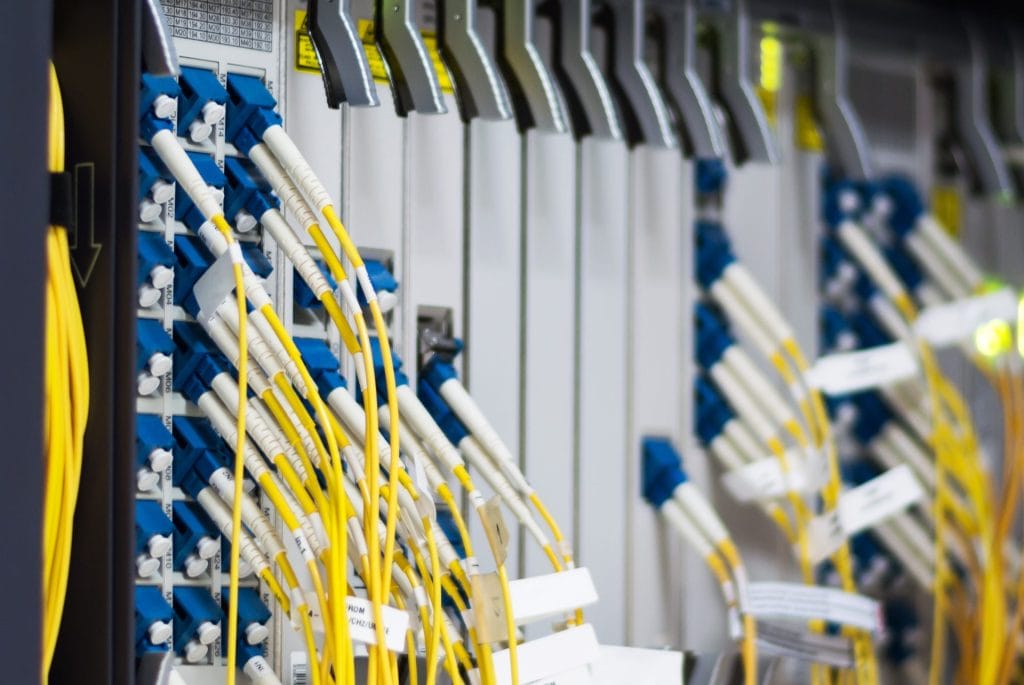
The AI infrastructure race continues to accelerate, and one of the biggest developments of 2026 is the newly announced multibillion-dollar agreement between Amazon and Corning. While much of the attention surrounding artificial intelligence focuses on GPUs, chips, and cloud computing, this deal highlights a critical reality: none of these technologies can function without massive amounts of fiber optic infrastructure.
Under the agreement, Amazon will source optical fiber, cable, and connectivity solutions from Corning to support the rapid expansion of its data center footprint across the United States. The deal will also help Corning expand manufacturing capacity in North Carolina, create approximately 1,000 new jobs, and strengthen the domestic supply chain for fiber optic infrastructure.
For the wire and cable industry, this announcement is far more than a business deal—it is another powerful signal that AI infrastructure is becoming one of the largest drivers of cable demand in decades.
Why Fiber Matters More Than Ever
Artificial intelligence requires enormous amounts of data to move between servers, storage systems, switches, and GPU clusters. Unlike traditional data centers, AI facilities generate significantly more east-west traffic as GPUs continuously communicate with one another during training and inference workloads.
This communication requires:
- Ultra-high bandwidth
- Low latency
- High-density connectivity
- Scalable networking architectures
Fiber optic cable is the technology that makes this possible.
Modern AI facilities are rapidly adopting:
- 400G networking
- 800G networking
- Emerging 1.6T architectures
As networking speeds increase, fiber becomes even more critical because traditional copper solutions simply cannot support the required bandwidth over comparable distances. This has created a surge in demand for optical fiber throughout the data center industry.
A Bigger Story Than One Deal
The Amazon-Corning agreement is not an isolated event.
Earlier this year, Corning announced a separate agreement worth up to $6 billion with Meta to support AI data center construction. Corning also secured major investments and partnerships related to AI infrastructure expansion with NVIDIA and other hyperscale operators.
This means three of the world’s largest technology companies are making significant investments tied directly to fiber infrastructure.
That trend reveals something important:
The AI boom is no longer just a semiconductor story.
It is becoming a wire, cable, fiber, power, and infrastructure story.
The Key Numbers Behind the Announcement
Several figures from the announcement stand out:
- Multibillion-dollar supply agreement between Amazon and Corning.
- Approximately 1,000 new manufacturing jobs will be created in North Carolina.
- Hundreds of additional construction-related jobs are expected during facility expansion.
- Amazon has invested more than $20 billion in North Carolina since 2010 and previously announced plans to invest another $10 billion in cloud infrastructure in the state.
- Corning’s Optical Communications business reported approximately 36% year-over-year growth, driven largely by AI-related demand.
These numbers demonstrate the scale of investment occurring behind the scenes to support future AI growth.
What This Means for the Wire & Cable Industry
For contractors, distributors, manufacturers, and infrastructure suppliers, the biggest takeaway is that fiber demand is becoming a long-term trend rather than a short-term spike.
Every AI data center requires:
- Fiber optic cable
- Structured cabling
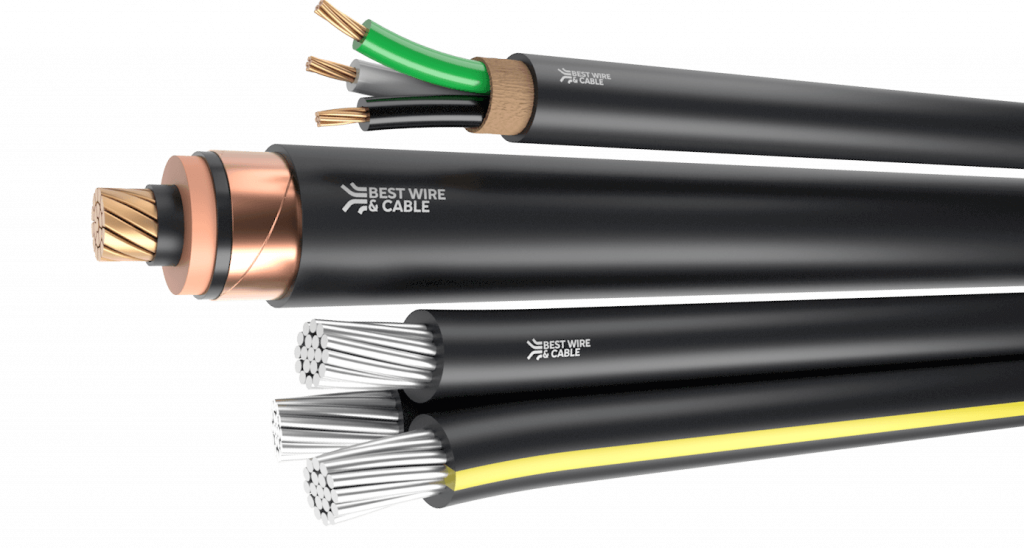
- Medium-voltage power cable
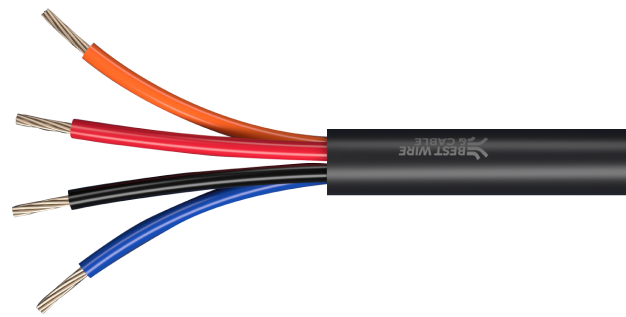
- Low-voltage controls
- Security systems
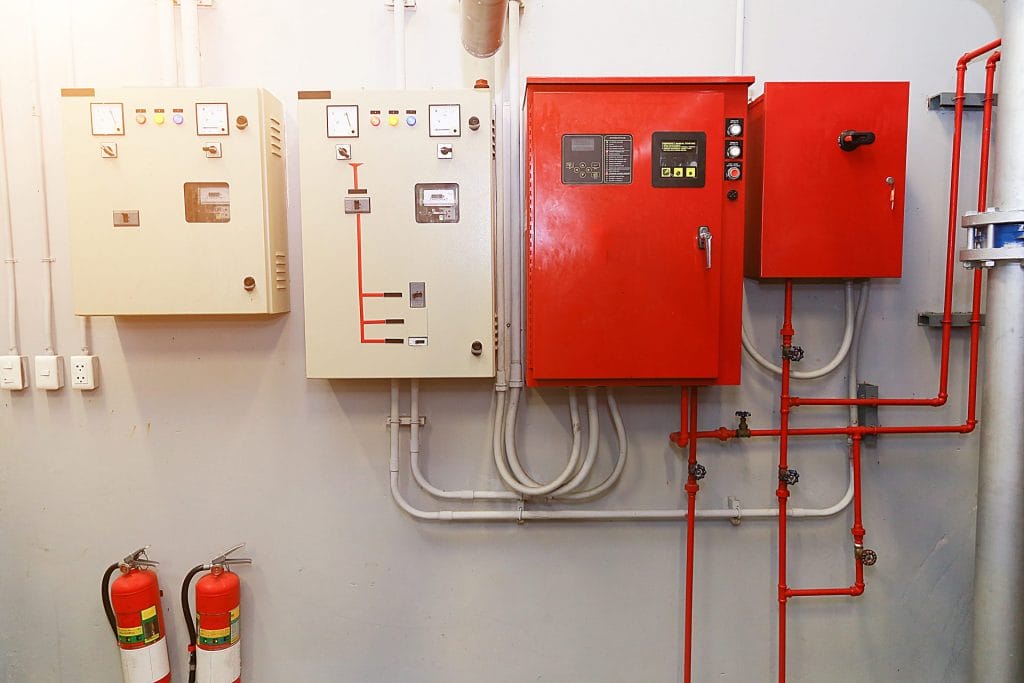
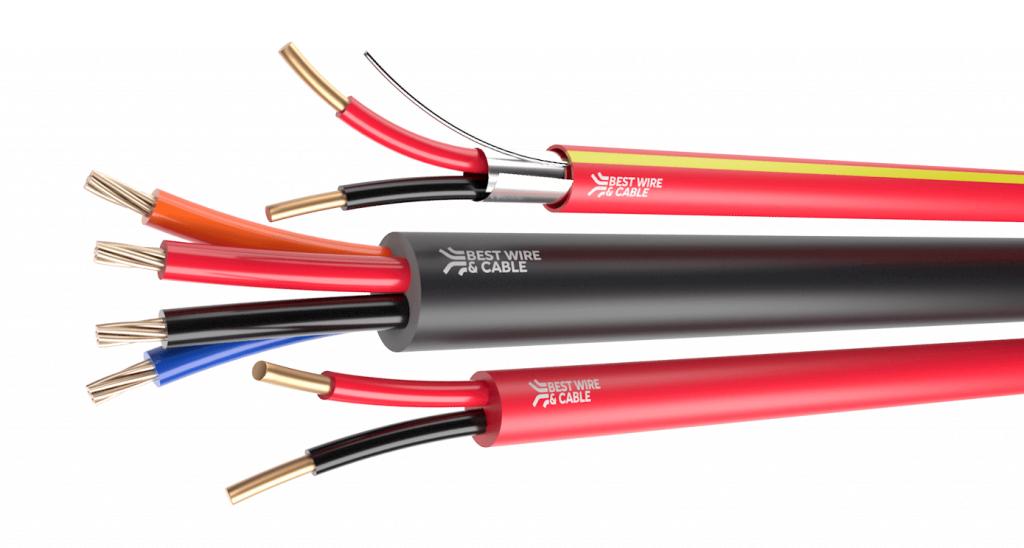
- Fire alarm systems
- Grounding and bonding infrastructure
- Cooling system wiring
Fiber may receive the headlines, but it represents only one component of a much larger infrastructure ecosystem.
As data centers become larger and more power-dense, demand for virtually every cable category continues to grow.
This creates opportunities for companies involved in:
- Fiber optic products
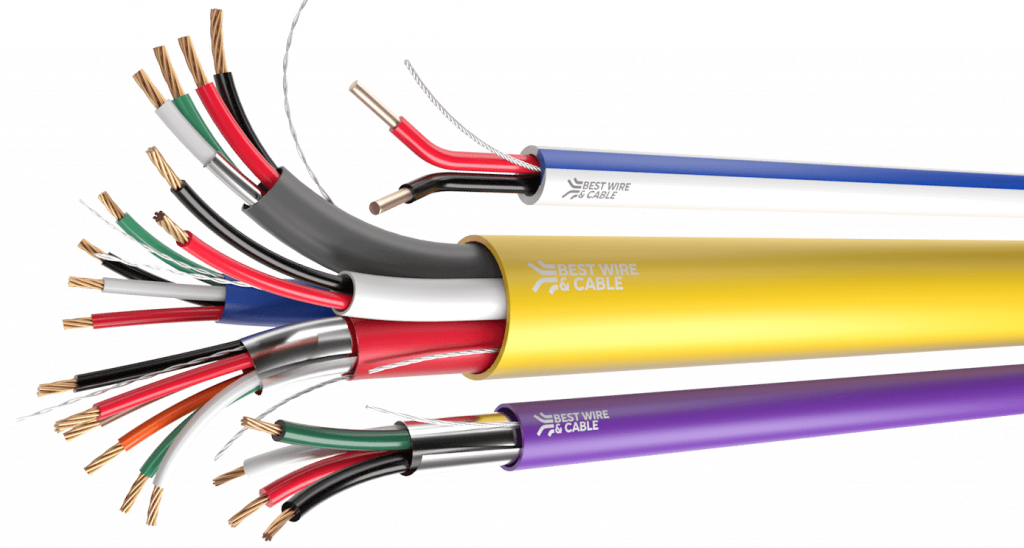
- Communication cable
- Instrumentation cable
- Power distribution cable
- Low-voltage infrastructure
- Data center construction support
Strengthening U.S. Manufacturing
Another important aspect of the deal is its emphasis on domestic manufacturing.
Over the past several years, supply chain disruptions exposed vulnerabilities in global sourcing strategies. Many infrastructure developers have since prioritized:
- Domestic production
- Faster lead times
- Reliable inventory
- Supply chain security
The Amazon-Corning partnership directly supports those goals by expanding U.S.-based fiber manufacturing capacity and workforce development programs. The companies also announced plans to expand technical training initiatives to help develop future fiber optic manufacturing talent.
This reflects a broader shift occurring throughout the infrastructure market as companies seek greater resilience and reliability in critical supply chains.
The Future Is Physical Infrastructure
Perhaps the most important lesson from this announcement is that artificial intelligence ultimately depends on physical infrastructure.
AI models may run on advanced GPUs and sophisticated software, but those systems cannot operate without:
- Fiber connectivity
- Power distribution
- Cooling systems
- Building controls
- Security networks
- Life-safety systems
Every new AI data center built across the country increases demand for these foundational technologies.
The Amazon-Corning agreement demonstrates that fiber optic infrastructure has become one of the most valuable and strategic components of the AI ecosystem. As hyperscale operators continue investing billions into data centers, the wire and cable industry is positioned at the center of one of the most significant infrastructure buildouts of the digital age.
For manufacturers, distributors, contractors, and infrastructure suppliers, the message is clear: the future of AI will require far more than chips and servers—it will require an unprecedented amount of fiber, cable, and connectivity infrastructure to support it.
Click below to view our Fiber Products