


















PUCT Approves Texas’ First 765 kV Transmission Lines — Critical Infrastructure for the Permian Basin and Booming Data Centers
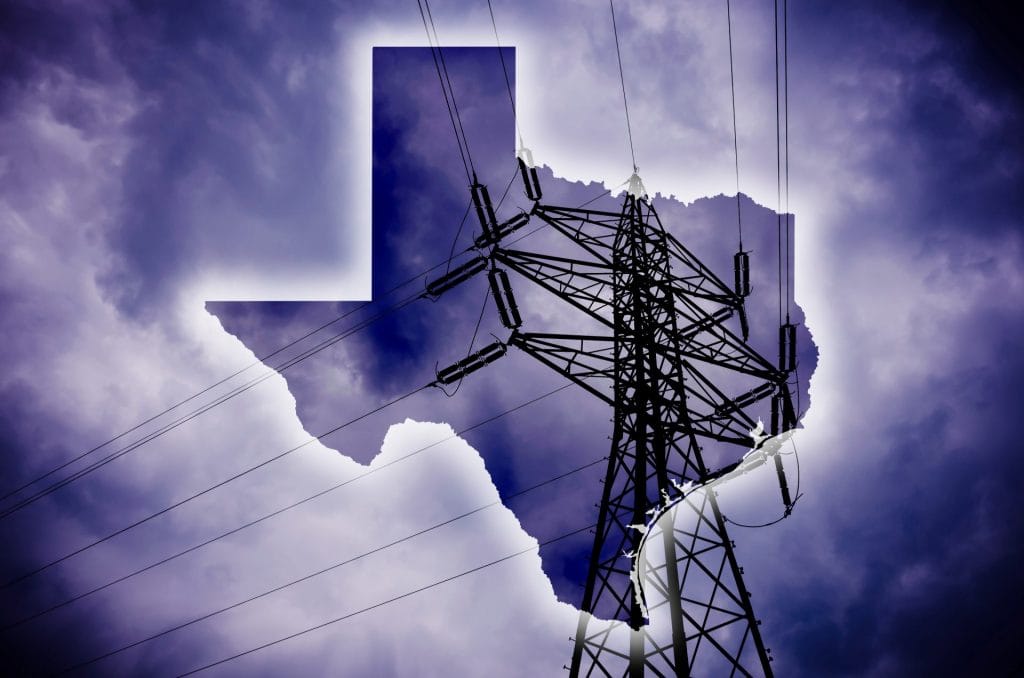
In a landmark decision, the Public Utility Commission of Texas (PUCT) approved ERCOT’s first 765 kV transmission lines. These extra-high-voltage lines will supply electricity to the Permian Basin. The approval is not only about meeting oil and gas demand. It is also critical for supporting Texas’ rapidly growing data center electricity load. As data centers expand, these super-highway lines will help keep the grid stable, reliable, and ready for future growth.
Why the Permian Basin & Data Centers Are Driving This Upgrade
The Permian Basin has long been a hub for oil and gas. But now, electric demand in the region is skyrocketing — not only because of electrified oil operations, but also due to major data center development. According to ERCOT’s 2024 Regional Transmission Plan, large-load interconnections (including data centers and AI, crypto mining, and hydrogen) account for a huge share of forecasted growth. ERCOT+2Houston Advanced Research Center+2
Meanwhile, data centers themselves are placing massive new demands on the Texas grid. ERCOT projects that by 2031, electricity demand could climb to 218 GW, largely fueled by data center growth. DataCenterDynamics+1 In fact, the 2025 load forecast from ERCOT shows that data center demand could reach 77,965 MW by 2030, a dramatic jump from earlier projections of ~29,614 MW. BIC Magazine+1
What the PUCT Approved & Why It Matters
The PUCT’s approval covers three 765 kV import paths into the Permian Basin, as part of ERCOT’s Strategic Transmission Expansion Plan (STEP). ERCOT By choosing 765 kV instead of building more 345 kV lines, Texas is investing in higher-capacity, more efficient transmission infrastructure — a vital step considering the unprecedented load growth forecasted through 2030 and beyond.
Although the 765 kV solution costs more upfront (about 22% more than lower-voltage alternatives), the long-term benefits justify the premium. ERCOT These lines will allow more power to move over longer distances with reduced losses, relieve congestion, and limit the need for multiple parallel lines. As PUCT Chairman Thomas Gleeson noted, because 765 kV lines carry more power, “fewer lines are necessary,” which could reduce land‑use impacts. ERCOT
Data Center Demand: A Game Changer for Transmission
Data centers are not just big electricity users; many operate 24/7 and demand high reliability. Large facilities can require 100 MW or more, which is comparable to a medium-sized power plant. The Texas Tribune Unlike industrial users that might flex consumption, many data centers need continuous power and rarely participate in grid demand response. The Texas Tribune
This consistent, high load makes transmission upgrades like the 765 kV lines even more critical. If the grid can’t reliably supply data centers, it faces risks: constrained interconnections, bottlenecks, and possibly higher costs. In Texas, projections indicate that demand from large users (mainly data centers) could account for 10% of total ERCOT electricity consumption in 2025. Foley & Lardner LLP
Transmission congestion is already a growing concern. According to S&P Global, ERCOT now has over 2,400 miles of planned transmission lines, driven in large part by the stress that data center load is placing on existing infrastructure. S&P Global
The Importance of 765 kV Lines for Grid Reliability
By approving 765 kV import paths, the PUCT is addressing both current and future grid stress points:
-
Scalability: These lines can handle large, sustained loads typical of data centers, avoiding potential curtailment or congestion.
-
Efficiency: Higher voltage reduces line losses, meaning more of the generated power actually gets delivered.
-
Long-term reliability: As demand from high-load users like data centers continues to grow, these lines give ERCOT the room to support expansion without overbuilding redundant lower-voltage infrastructure.
-
Flexibility: Beyond data centers, the 765 kV lines also support growth from other large loads: oil & gas electrification, hydrogen manufacturing, and more.
Risks & Challenges
Still, there are tradeoffs and challenges:
-
Upfront Cost: The higher cost of 765 kV lines raises concerns about who pays and how these costs are recovered.
-
Long Lead Times: Building extra-high-voltage infrastructure takes years — permitting, construction, and right-of-way acquisition all require foundational work.
-
Land Use: While fewer lines may be needed, 765 kV corridors require significant right-of-way, raising issues with landowners.
-
Forecast Risk: Some data center demand is speculative — ERCOT has adjusted its forecasts to discount “officer-attested” load by a percentage. BIC Magazine
Why This Is a Huge Opportunity for Contractors and Cable Professionals
For contractors, engineers, and cable suppliers, the PUCT’s decision unlocks a rare opportunity to contribute to a major grid buildout:
-
Building more than 2,400 miles of 765 kV lines will drive demand for high-capacity conductors, specialized towers, and substation work.
-
Contractors with EHV experience will be in high demand, as 765 kV construction requires different design and safety expertise.
-
By working on this infrastructure, cable firms can directly support Texas’ technology sector, including data centers, AI hubs, and other high-load users.
As the grid modernizes for both industrial and digital demand, firms that step into this space early could become partners of choice for utilities, developers, and major tech players.
Final Thoughts
The PUCT’s approval of 765 kV transmission lines isn’t just about powering oil fields in the Permian Basin — it’s also a strategic move to sustain Texas’ rapidly expanding data center market. With forecasts pointing toward nearly 78 GW of data center load by 2030, the new transmission superhighway is a critical piece of infrastructure. For contractors, this development represents one of the most important growth opportunities in Texas energy infrastructure.
References
-
ERCOT 2024 Regional Transmission Plan & 765 kV STEP comparison ERCOT
-
Texas Tribune: Impact of data centers on Texas’ grid The Texas Tribune
-
ERCOT 2025 Load Forecast and data‑center demand BIC Magazine
-
Oncor reports 186 GW of interconnection requests from data centers DataCenterDynamics
-
Texas Comptroller: Data centers & energy demand in Texas Texas Comptroller
-
Houston‑area grid strain driven by data centers: CenterPoint projections Houston Chronicle
Connect with experts on high-voltage transmission — ensure your projects meet Texas’ growing electricity needs.
View BWC’S Utility Products