












Photovoltaic (PV) Cable: Role, Specifications, and Importance in Today’s Energy Landscape
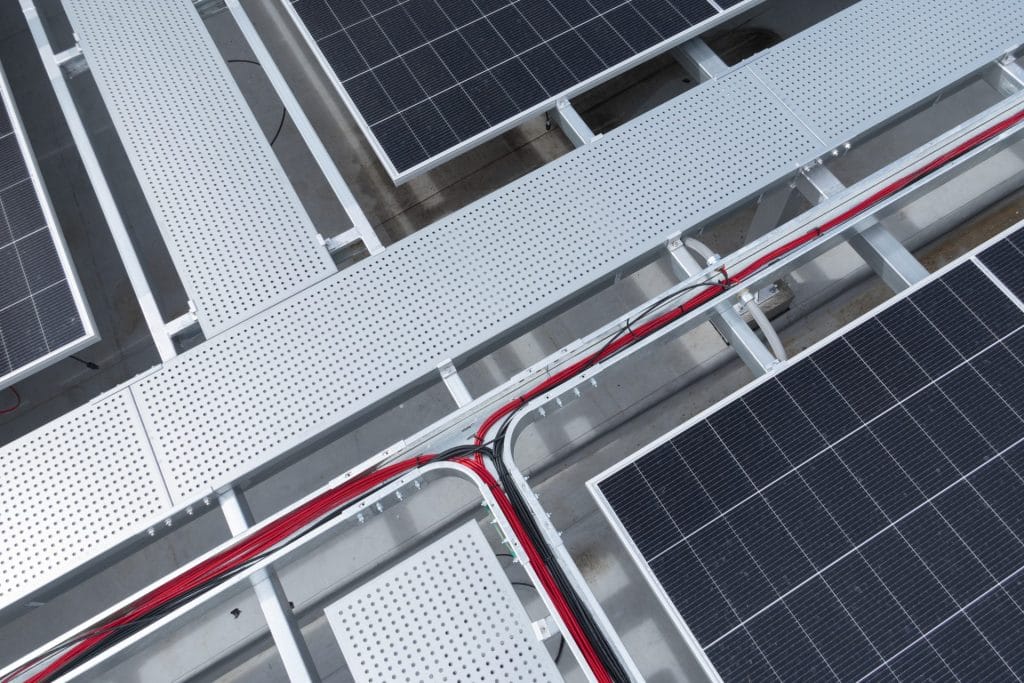
As solar energy continues to expand across utility, commercial, and residential markets, photovoltaic (PV) cable has become a critical component in modern power systems. Designed specifically for solar applications, PV cable connects panels, inverters, combiner boxes, and balance-of-system equipment. Its specialized construction allows it to operate reliably in harsh outdoor environments while handling the electrical demands of DC solar systems.
What Is PV Cable?
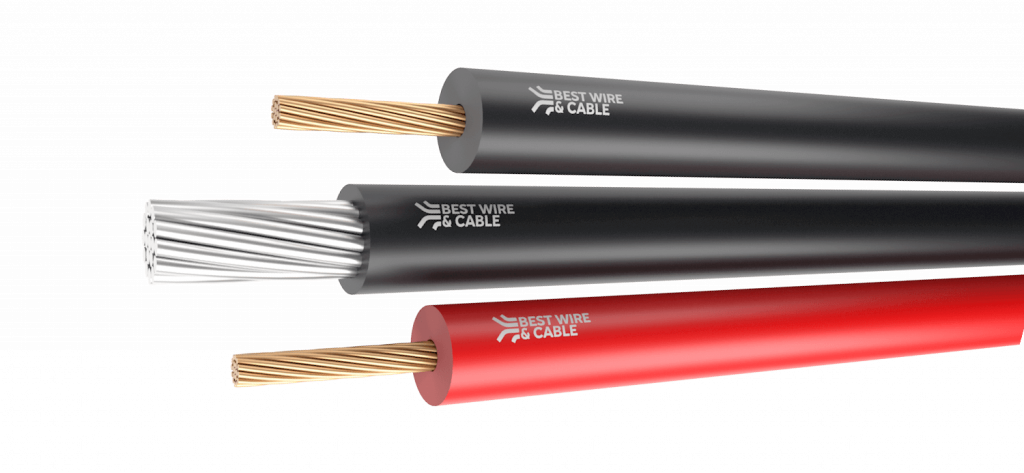
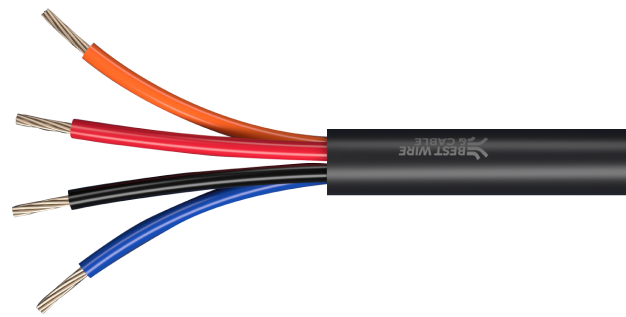
PV cable is a single-conductor, sunlight-resistant cable used in solar photovoltaic systems. It is typically installed between:
- solar modules (panel-to-panel connections)
- strings to combiner boxes
- combiner boxes to inverters
Unlike standard building wire, PV cable is designed for direct sunlight exposure, wide temperature ranges, and high DC voltage systems.
Key Specifications and Construction
Voltage Ratings
Modern PV systems operate at higher voltages to improve efficiency. Common PV cable ratings include:
- 600V
- 1000V
- 1500V (now widely used in utility-scale solar)
Higher voltage ratings reduce system losses and allow longer string lengths, minimizing installation costs.
Conductor Type
PV cable typically uses:
- stranded copper conductors (tinned or bare)
- Class B or finer stranding for flexibility
Tinned copper is often preferred because it improves:
- corrosion resistance
- long-term durability in outdoor environments
Insulation and Jacket Materials
PV cable is built with durable insulation systems designed to handle extreme environmental conditions.
Common materials:
- XLPE (cross-linked polyethylene)
- XLPO (cross-linked polyolefin)
These materials provide:
- UV resistance
- moisture resistance
- high ताप tolerance (often -40°C to 90°C or higher)
- resistance to ozone and weathering
Many PV cables use double insulation, eliminating the need for conduit in certain installations.
Temperature Rating
Typical ratings:
- 90°C wet/dry (minimum)
- some designs rated up to 105°C or 125°C
Higher temperature ratings improve ampacity and performance in hot climates, especially in large solar farms.
Sunlight and UV Resistance
PV cable is specifically designed for continuous UV exposure, unlike THHN or standard tray cable, which may degrade over time when exposed to sunlight.
Flexibility
PV cable must be flexible enough to:
- route between modules
- accommodate thermal expansion
- simplify installation in tight spaces
Applicable Standards
PV cable must meet strict industry standards to ensure safety and long-term performance.
UL Standards
- UL 4703 – Primary standard for PV wire
- Often marked as PV Wire or USE-2
NEC (National Electrical Code)
Relevant sections include:
- Article 690 – Solar Photovoltaic Systems
- Article 310 – Conductors
- Article 300 – Wiring Methods
These standards govern installation methods, ampacity, and protection requirements.
International Standards
- IEC 62930 (international PV cable standard)
- TÜV certifications for global projects
Applications of PV Cable
Utility-Scale Solar Farms
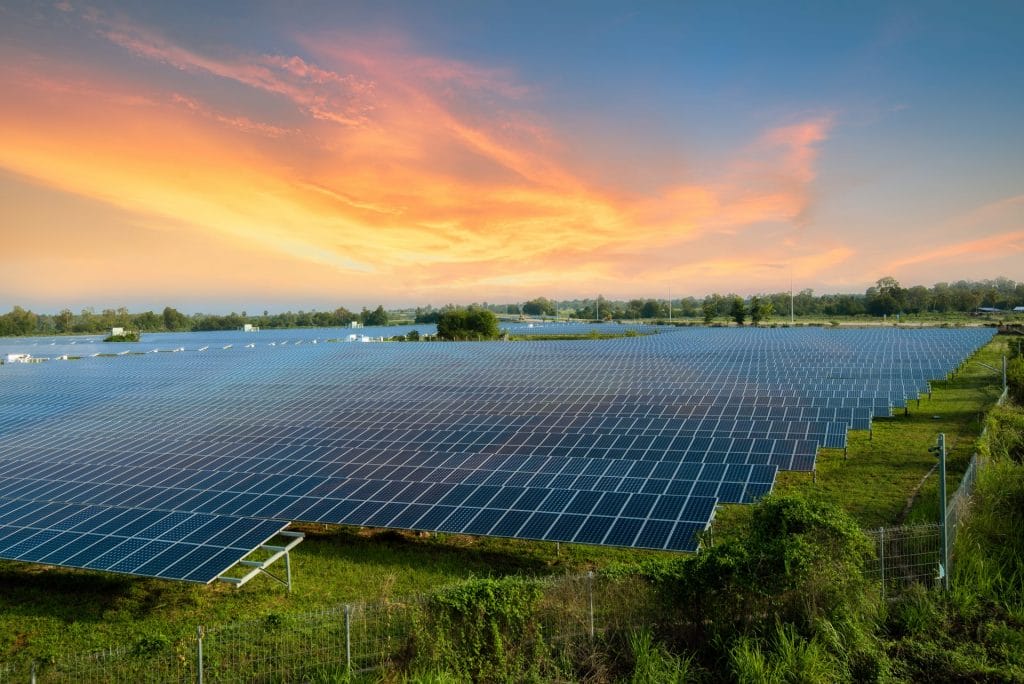
Large solar installations require thousands of feet of PV cable to connect panel arrays and transport DC power to inverters.
Commercial Solar Systems
Used on rooftops, carports, and industrial facilities where durability and reliability are critical.
Residential Solar
PV cable connects rooftop panels to inverters and electrical systems.
Solar + Storage Systems
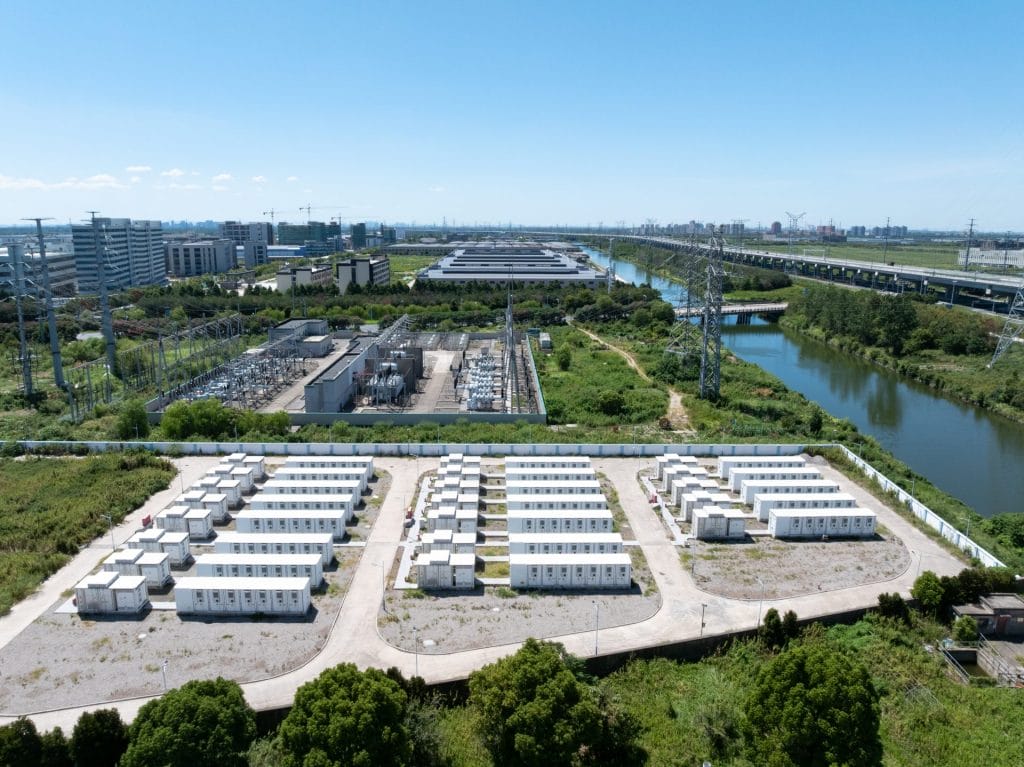
Photovoltaic cable is often integrated with battery energy storage systems (BESS), requiring coordination with DC and AC cabling.
Why PV Cable Is Critical in Today’s Industry
Rapid Growth of Solar Energy
Solar is one of the fastest-growing energy sources in the U.S. and globally. Utility-scale installations continue to expand, driving demand for photovoltaic cable across:
- solar farms
- distributed generation
- community solar projects
Each project requires extensive cabling for power transmission and system integration.
Higher Voltage Systems Increasing Cable Demand
The shift to 1500V DC systems has significantly changed cable requirements. Higher voltage systems:
- reduce current and losses
- allow longer cable runs
- lower installation costs
However, they require higher-rated insulation and better quality cable, increasing the importance of proper specification.
Harsh Environmental Conditions
Photovoltaic cable must perform in extreme environments:
- high heat (desert solar farms)
- freezing temperatures
- moisture and rain
- UV exposure
Standard cable types cannot reliably handle these conditions long term, making PV cable essential for system longevity.
Safety and Code Compliance
Improper cable selection can lead to:
- insulation breakdown
- system faults
- fire risks
- reduced system efficiency
Using certified photovoltaic cable ensures compliance with NEC and UL requirements, reducing liability and improving system safety.
Integration with Modern Energy Systems
PV cable is no longer used in isolation. It is now part of larger systems including:
- battery storage
- smart inverters
- grid interconnection equipment
This integration increases the need for high-performance, reliable cable solutions.
Industry Trends in PV Cable
1500V Systems Becoming Standard
Utility-scale projects are moving toward higher voltage designs, increasing demand for higher-rated cable.
Aluminum Conductors Emerging
Some large projects are exploring aluminum Photovoltaic cable to reduce cost, though copper remains dominant.
LSZH (Low Smoke Zero Halogen) Options
Used in environments where fire safety and low toxicity are critical.
Pre-terminated Cable Assemblies
Manufacturers are offering pre-cut, connectorized cables to reduce installation time.
Increased Demand from Solar + Storage
Hybrid projects require more complex cable layouts and coordination.
Conclusion
Photovoltaic cable plays a foundational role in today’s rapidly expanding solar energy market. Its specialized construction allows it to withstand harsh environmental conditions, support high-voltage DC systems, and ensure long-term reliability in critical energy infrastructure.
As solar deployment continues to grow and integrate with storage and grid systems, the importance of properly specified PV cable will only increase. For contractors, engineers, and suppliers, understanding PV cable requirements is essential to delivering safe, efficient, and durable solar installations.
Click to view our PV Wire