









The Most Installed Wire in America: Why THHN/THWN Continues to Power the Future
When contractors think about major construction trends, they often focus on AI data centers, renewable energy, manufacturing expansion, EV facilities, or grid modernization. Yet behind every one of these projects is a product that rarely gets the spotlight: THHN/THWN building wire.
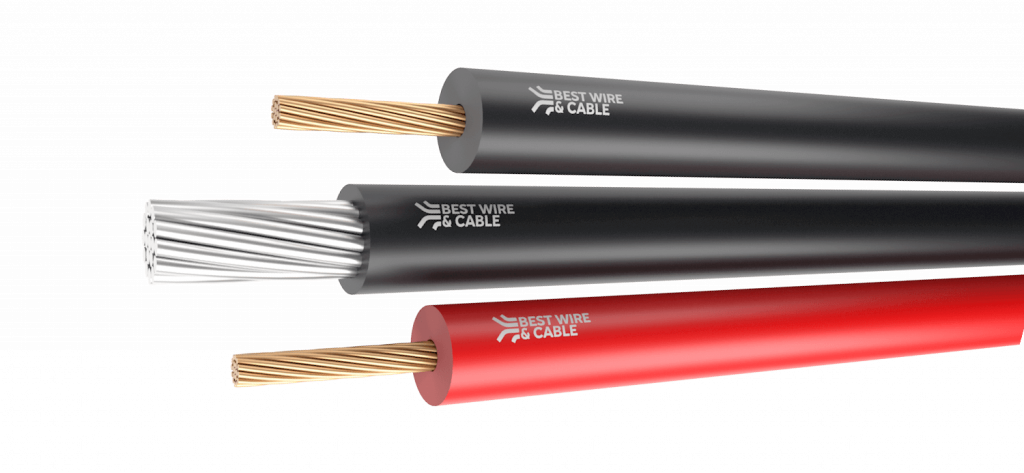
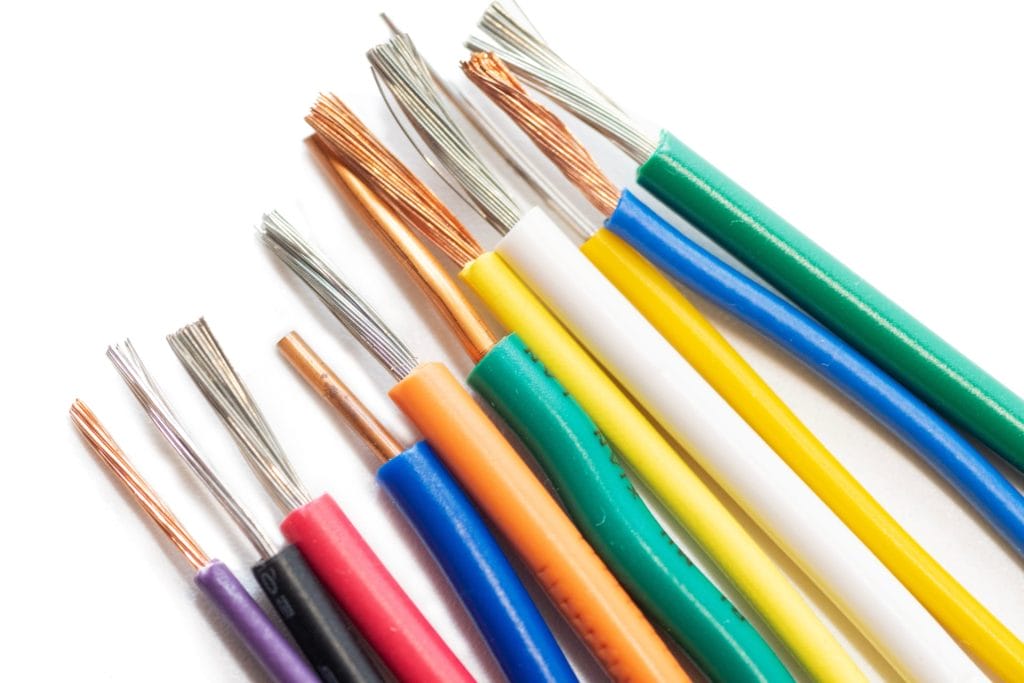
From commercial buildings and hospitals to manufacturing plants and hyperscale data centers, solid and stranded copper THHN/THWN conductors remain one of the most widely installed electrical products in North America. As demand for power infrastructure continues to accelerate, contractors are finding that reliable access to quality THHN wire is becoming increasingly important for project schedules and profitability.
What Makes THHN/THWN So Important?
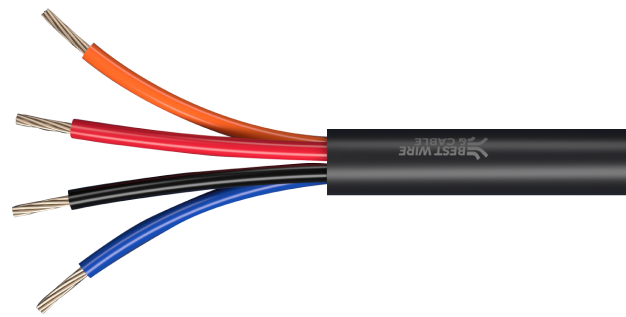
THHN (Thermoplastic High Heat-Resistant Nylon) and THWN (Thermoplastic Heat and Water-Resistant Nylon) conductors have become the standard for electrical power distribution because they offer:
- High temperature ratings
- Excellent abrasion resistance
- Oil and gasoline resistance
- Strong dielectric performance
- Long service life
- Broad NEC acceptance
Most modern conductors are dual-rated THHN/THWN-2, allowing installation in both dry and wet locations while maintaining a 90°C rating.
These conductors are commonly installed in:
- Commercial office buildings
- Hospitals
- Schools and universities
- Manufacturing facilities
- Distribution centers
- Water treatment plants
- Data centers
- Renewable energy projects
In many cases, contractors may install thousands of feet of THHN conductors on a single project before any equipment is energized.
AI Data Centers Are Creating a New Wave of Demand
Perhaps no market is driving electrical construction faster than artificial intelligence.
The rapid expansion of AI infrastructure is creating unprecedented demand for electrical power, transmission capacity, substations, switchgear, transformers, and building wire. Industry analysts estimate the global data center wire and cable market will grow from approximately $20.2 billion in 2025 to more than $35 billion by 2033, representing a CAGR of 7.2%. Hyperscale facilities and AI-driven computing environments are among the primary drivers.
At the same time, power requirements continue to surge. Recent industry reports project North American data center power demand could increase from roughly 31 GW in 2025 to 66 GW by 2027, more than doubling in just two years.
For electrical contractors, that growth translates directly into demand for:
- THHN feeder conductors
- Branch circuit wiring
- Grounding conductors
- Control wiring
- Fiber infrastructure
- Cable management systems
Every AI server rack requires power delivery, and every megawatt added to a facility requires additional electrical infrastructure.
Why Copper Matters More Than Ever
One of the biggest trends emerging from the AI boom is the increasing importance of copper.
Industry estimates suggest data-center-related copper demand could grow from approximately 1.1 million metric tons in 2025 to 2.5 million metric tons by 2040. AI facilities are expected to account for a significant portion of that growth.
This demand isn’t just coming from servers.
Copper is required throughout:
- Utility interconnections
- Substations
- Transformers
- Switchgear
- Distribution panels
- Building wire
- Structured cabling systems
For contractors, this reinforces the importance of sourcing quality copper conductors from dependable distribution partners that can maintain inventory and deliver quickly.
The Texas Opportunity
Texas continues to emerge as one of the most active electrical construction markets in North America.
Major data center developments, renewable energy projects, manufacturing facilities, and transmission upgrades are creating strong demand for electrical materials across the state.
Researchers note that Texas is among the regions best positioned to absorb growing AI-related electrical loads because of its diversified energy infrastructure and ongoing investment in grid expansion.
This growth is creating opportunities for:
- Electrical contractors
- Control contractors
- Design-build firms
- Data center specialists
- Industrial automation integrators
Whether building a new data center campus or upgrading an existing industrial facility, THHN conductors remain a foundational component of the electrical system.
Manufacturing Modernization Is Driving Demand
While AI receives most of the headlines, manufacturing remains one of the strongest markets for THHN and MTW conductors.
Across North America, manufacturers are investing in:
- Robotics
- PLC systems
- Automated production lines
- Motor control centers
- Variable frequency drives
- Smart factory technologies
These upgrades require substantial amounts of power and control wiring.
As facilities modernize, contractors are often tasked with replacing aging conductors, expanding electrical distribution systems, and installing new control infrastructure. THHN and MTW conductors continue to be preferred solutions because of their durability and versatility in industrial environments.
Grid Modernization Is Creating Long-Term Demand
America’s electrical grid is undergoing one of the largest modernization efforts in decades.
According to market research, the North American wire and cable market exceeded $32 billion and continues to grow as utilities invest in transmission upgrades, renewable integration, and infrastructure replacement.
Meanwhile, the U.S. wire and cable market was valued at nearly $32 billion in 2024 and is expected to grow at approximately 5.9% annually through 2030. Renewable energy development and utility expansion are key growth drivers.
Projects driving demand include:
- Utility transmission upgrades
- Substation construction
- Battery energy storage systems
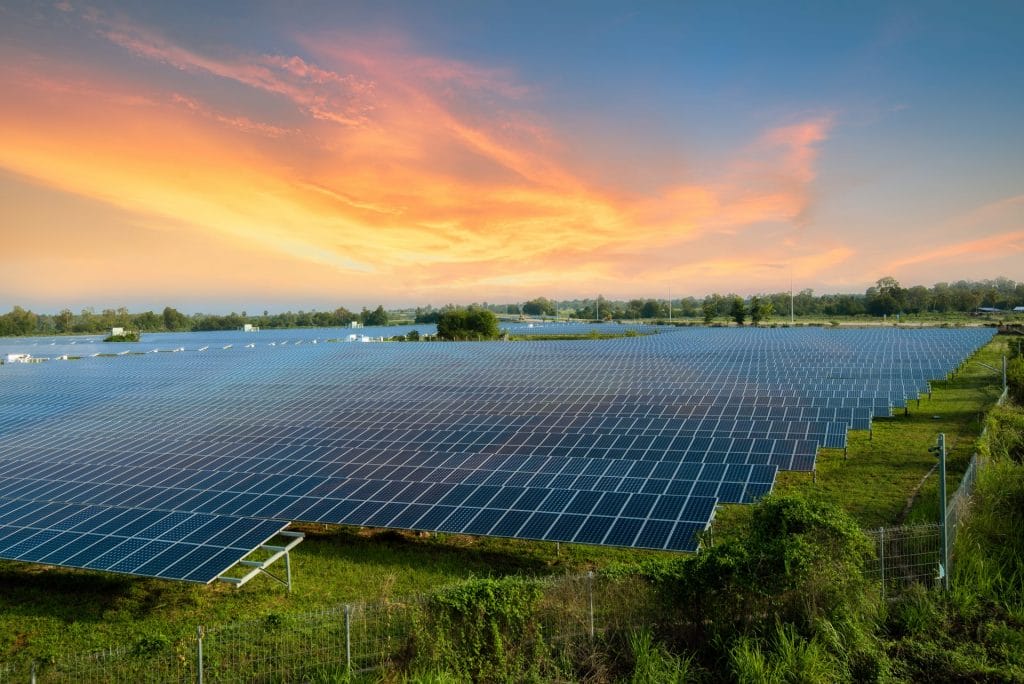
- Solar farms
- EV charging infrastructure
- Distribution network expansion
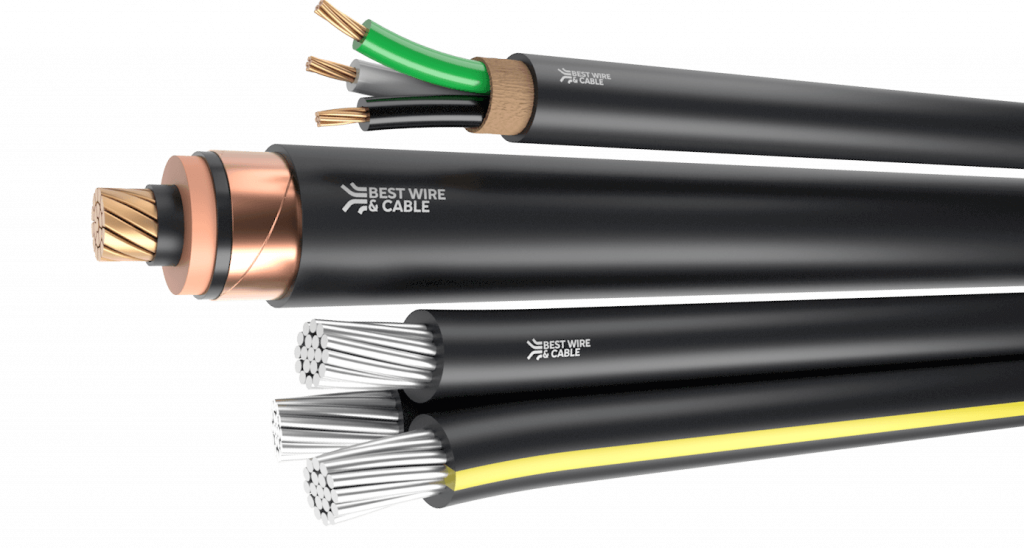
Although medium- and high-voltage cable often receive attention, every one of these projects also requires low-voltage building wire throughout supporting facilities and electrical rooms.
What Contractors Should Look For in a THHN Supplier
As project schedules become tighter and lead times remain unpredictable, choosing the right wire supplier can have a direct impact on project success.
Contractors should prioritize distributors that offer:
- Inventory Availability
Stocked inventory helps eliminate delays and allows projects to move forward quickly.
- Same-Day Shipping
Fast shipping reduces downtime and helps crews stay productive.
- Consistent Product Quality
Reliable copper conductors ensure easier installations and dependable long-term performance.
- Custom Services
Value-added services such as custom labeling, cut lengths, and job-site delivery can improve efficiency and reduce labor costs.
- Broad Product SelectionMany projects require more than THHN. Contractors often need:
-
- Category cable
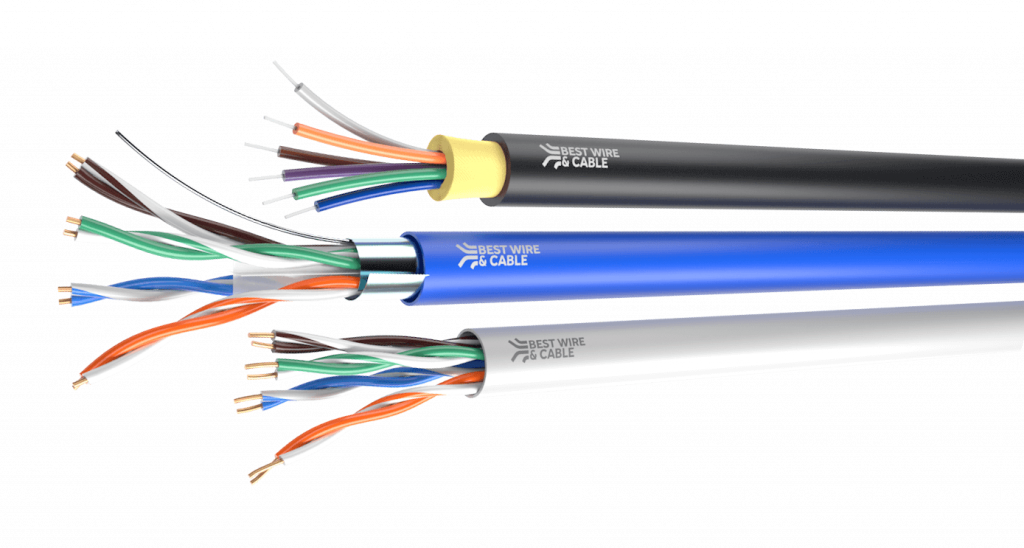
- Fiber optic cable
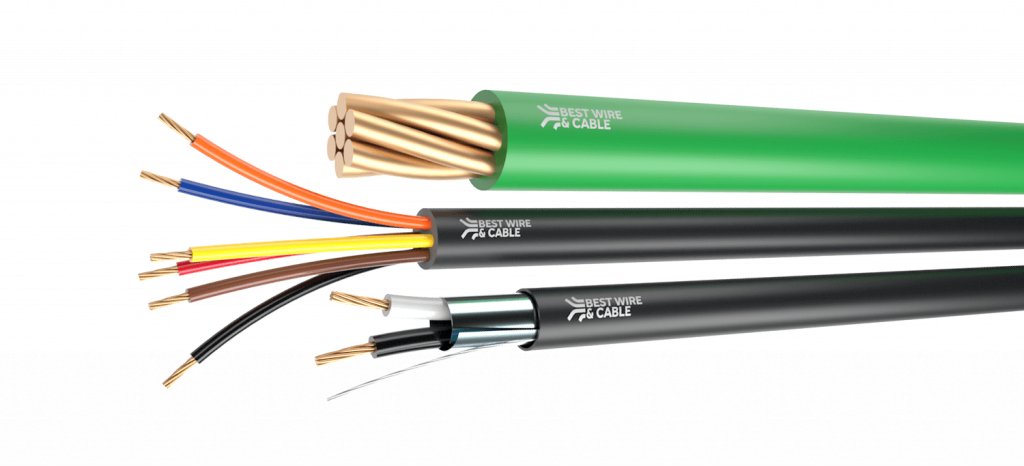
- Fire alarm cable
- Control cable
- Solar PV cable
- XHHW conductors
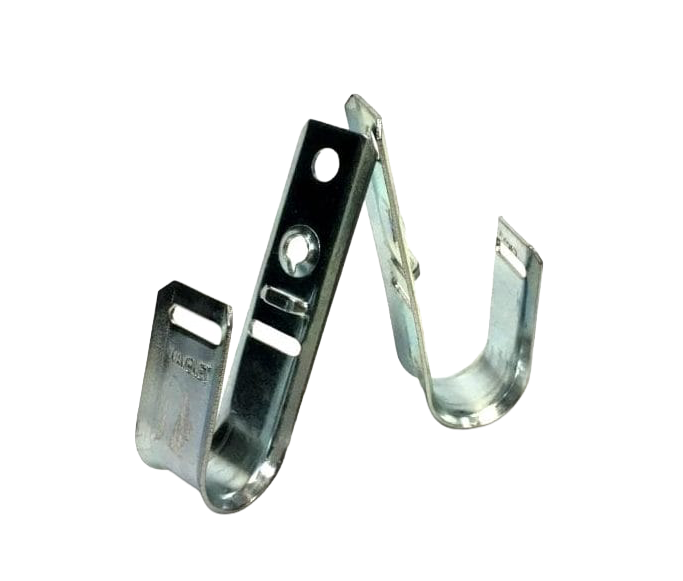
- Cable management products
Working with a distributor that can support multiple project requirements simplifies procurement and reduces administrative costs.
The Bottom Line
THHN/THWN conductors may not receive the same attention as AI servers, renewable energy systems, or billion-dollar data center projects, but they remain one of the most critical components in modern electrical construction.
From hospitals and manufacturing facilities to solar farms and hyperscale AI campuses, THHN continues to be the backbone of electrical power distribution.
As demand for electricity, data processing, and grid infrastructure grows, contractors who secure reliable supply chains for building wire will be better positioned to complete projects on time and capitalize on the next generation of construction opportunities.
CLICK BELOW TO VIEW OU BUILDING CABLE