










Battery Energy Storage Systems (BESS) and the Cables That Power Them
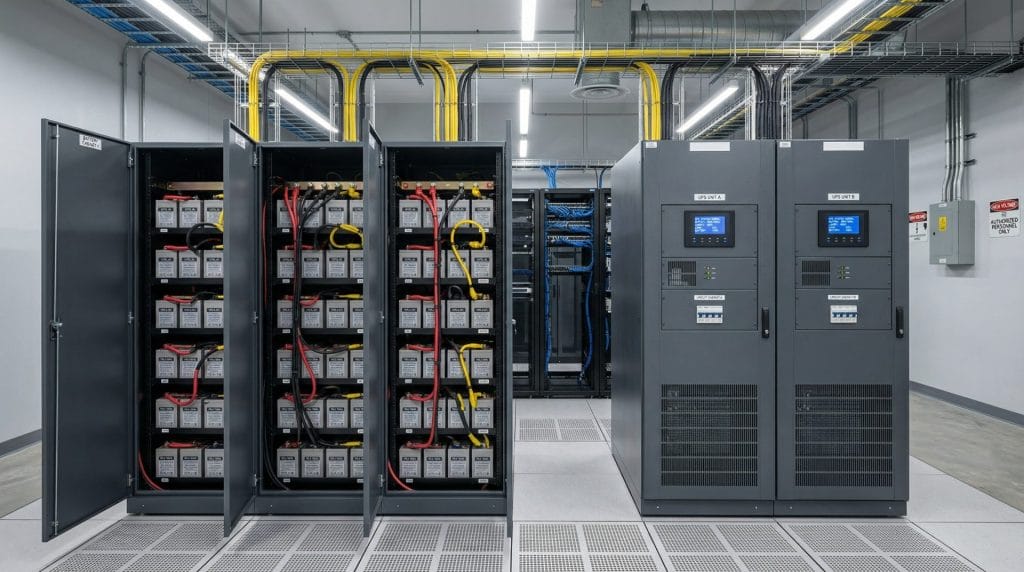
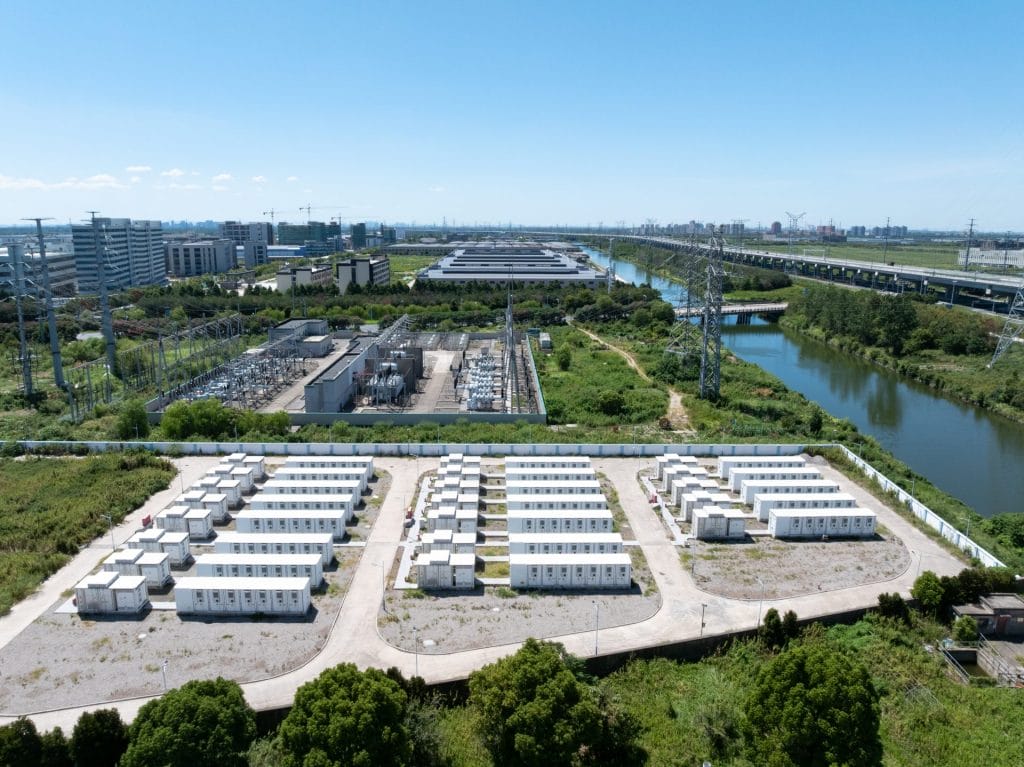
As the demand for renewable energy, grid reliability, and energy independence continues to rise, Battery Energy Storage Systems (BESS) have emerged as one of the fastest-growing segments of the electrical industry. Once primarily used for utility-scale applications, BESS installations are now found in commercial buildings, manufacturing facilities, data centers, hospitals, schools, and renewable energy projects across North America.
Behind every battery energy storage system is a sophisticated network of wire and cable that ensures power is delivered safely, controls communicate reliably, and monitoring systems operate continuously. While batteries and inverters often receive the spotlight, the cabling infrastructure is the backbone that keeps the entire system operating efficiently.
The Rapid Growth of BESS
Battery energy storage is no longer considered a niche technology. According to the U.S. Energy Information Administration (EIA), utility-scale battery storage capacity in the United States has grown from approximately 1.4 gigawatts (GW) in 2020 to more than 30 GW expected by the end of 2025, representing more than a 20-fold increase in just five years.
Industry analysts also project the global BESS market will exceed $120 billion by 2030, fueled by:
- Solar and wind energy expansion
- Grid modernization initiatives
- Increasing electricity demand from AI data centers
- Electric vehicle charging infrastructure
- Peak shaving and demand response programs
- Backup power for critical facilities
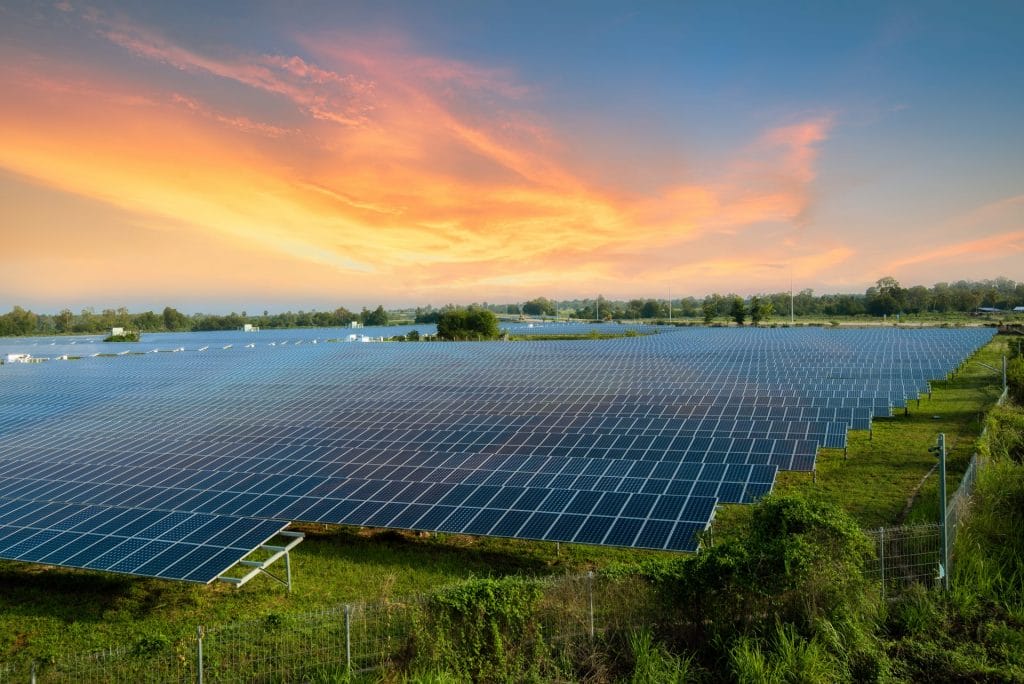
Many new solar farms are now being designed with integrated battery storage, allowing excess energy generated during daylight hours to be stored and dispatched during periods of peak demand or grid instability.
Why Wire & Cable Is Critical to Every BESS Project
Unlike traditional electrical installations, battery energy storage systems require multiple cable systems working together simultaneously.
A typical utility-scale BESS installation may contain:
- Hundreds of battery racks
- Dozens of inverters
- Medium-voltage transformers
- Power conversion systems (PCS)
- Energy management systems (EMS)
- Fire suppression equipment
- HVAC controls
- Security and access control
- Fiber optic communication networks
Each subsystem relies on specialized cable designed for its unique electrical and environmental requirements.
Power Cable – The Backbone of Energy Transfer
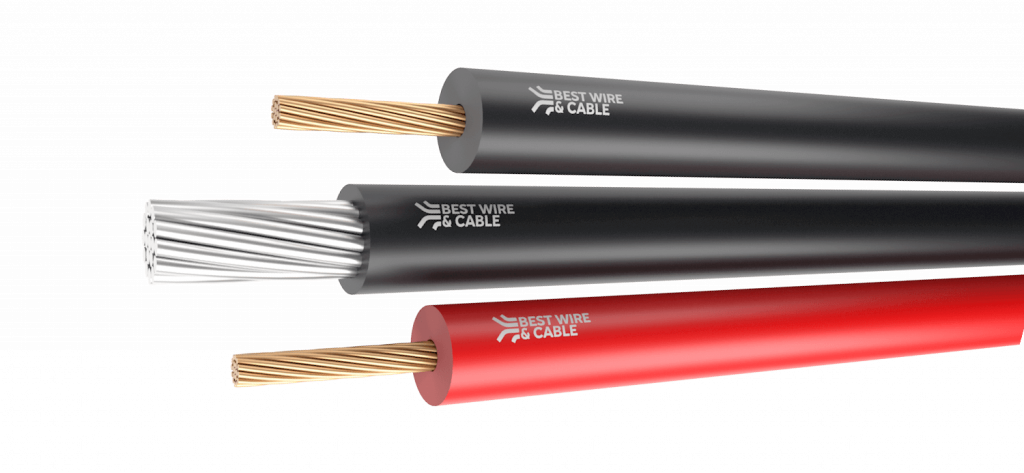
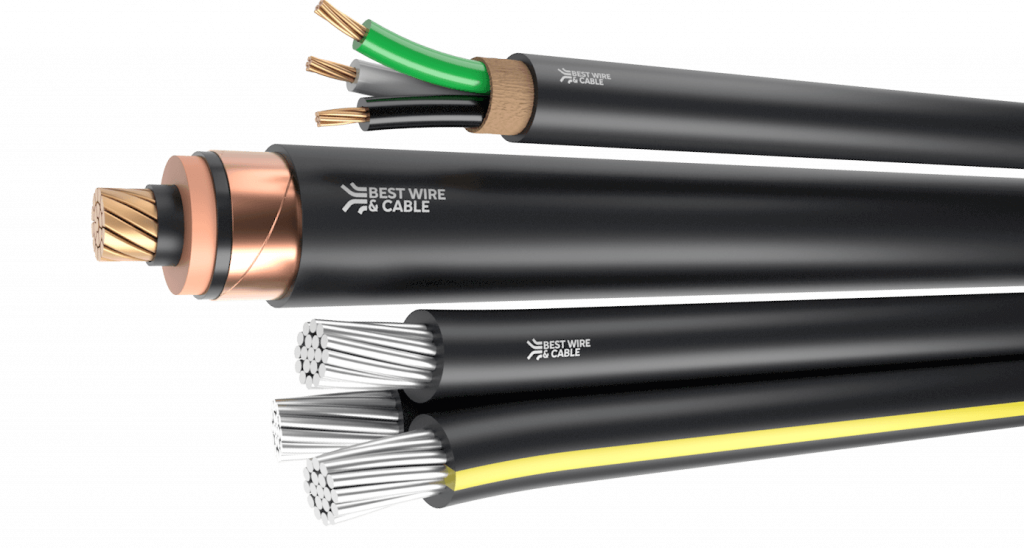
Power cable carries electricity between battery containers, inverters, transformers, switchgear, and the electrical grid.
These are the largest and highest-current cables within the system.
Typical Conductor Sizes
Depending on system design, power cables commonly include:
- 1/0 AWG
- 2/0 AWG
- 4/0 AWG
- 250 kcmil
- 350 kcmil
- 500 kcmil
- 750 kcmil
- 1000 kcmil
Utility-scale installations often use parallel runs of 500–750 kcmil copper or aluminum conductors to handle currents exceeding 1,000 amps.
Common Cable Types
- THHN/THWN-2
- XHHW-2
- RHW-2
- MV-105 Medium Voltage Cable
- XLPE insulated cable
- EPR insulated cable
Voltage Ratings
Typical voltage classes include:
- 600 V
- 1,000 V
- 5 kV
- 15 kV
- 25 kV
- 35 kV
Installation Considerations
Power cables are often installed in:
- Underground conduit
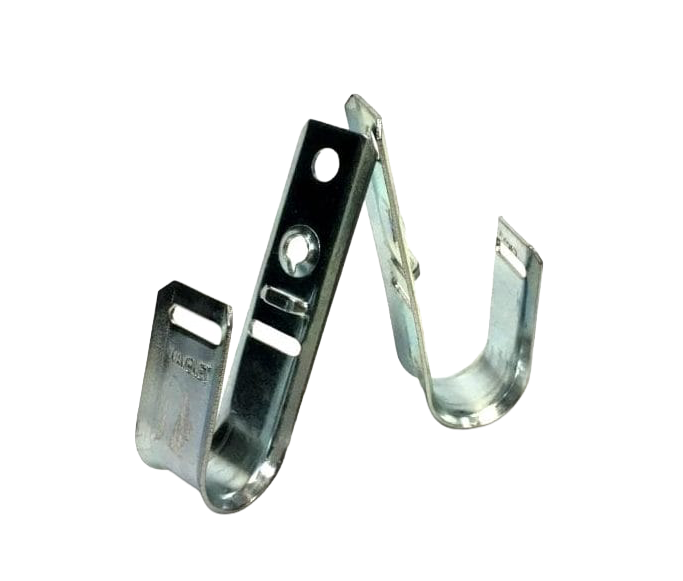
- Cable tray systems
- Direct burial applications
- Utility trenches
Proper conductor sizing helps minimize voltage drop and energy losses while supporting continuous operation under high electrical loads.
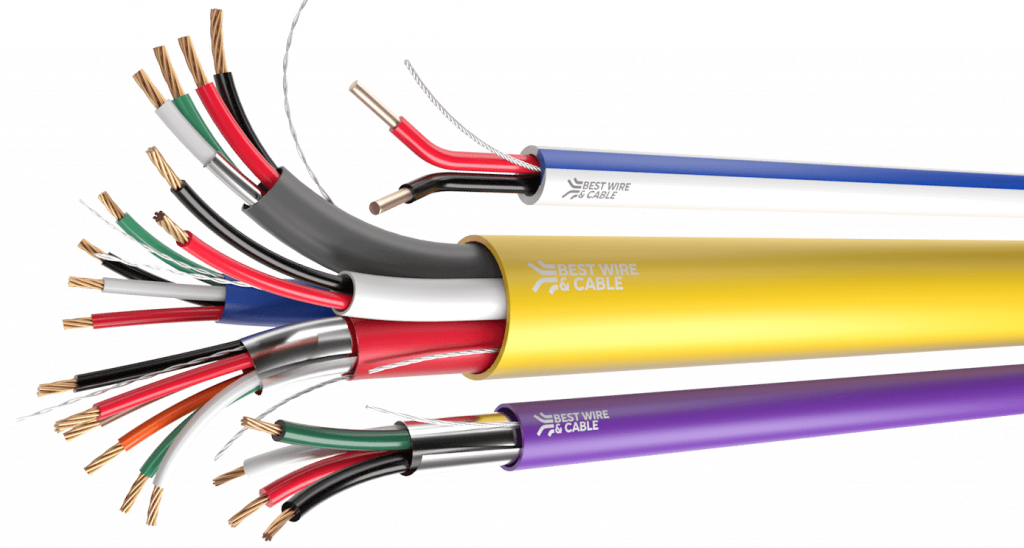
Instrumentation Cable – Monitoring Every Battery Cell
Modern battery systems contain thousands of individual battery cells that require continuous monitoring.
Instrumentation cables transmit low-level analog signals from:
- Temperature sensors
- Pressure sensors
- Voltage monitoring devices
- Battery Management Systems (BMS)
- Current sensors
These cables provide accurate data that helps optimize charging, discharging, and overall battery health.
Typical Instrumentation Cable Construction
Common configurations include:
- 18 AWG 1 Pair
- 18 AWG 2 Pair
- 18 AWG 4 Pair
- 16 AWG 2 Pair
- 16 AWG 4 Pair
Shielding
Instrumentation cables typically feature:
- Overall foil shield
- Individual pair shields (for high-noise environments)
- Tinned copper drain wire
Shielding helps reduce electromagnetic interference (EMI) generated by nearby high-current power cables and switching equipment.
Jacket Options
- PVC
- LSZH (Low Smoke Zero Halogen)
- XLPE
- CPE
- Polyethylene (PE)
Reliable instrumentation wiring is essential for accurate diagnostics and predictive maintenance.
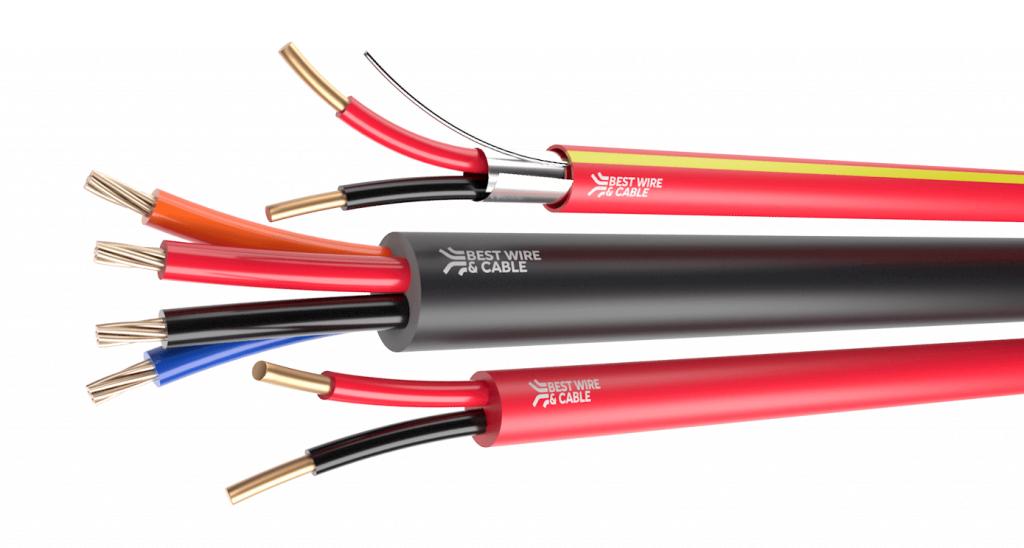
Control Cable – Coordinating System Operations
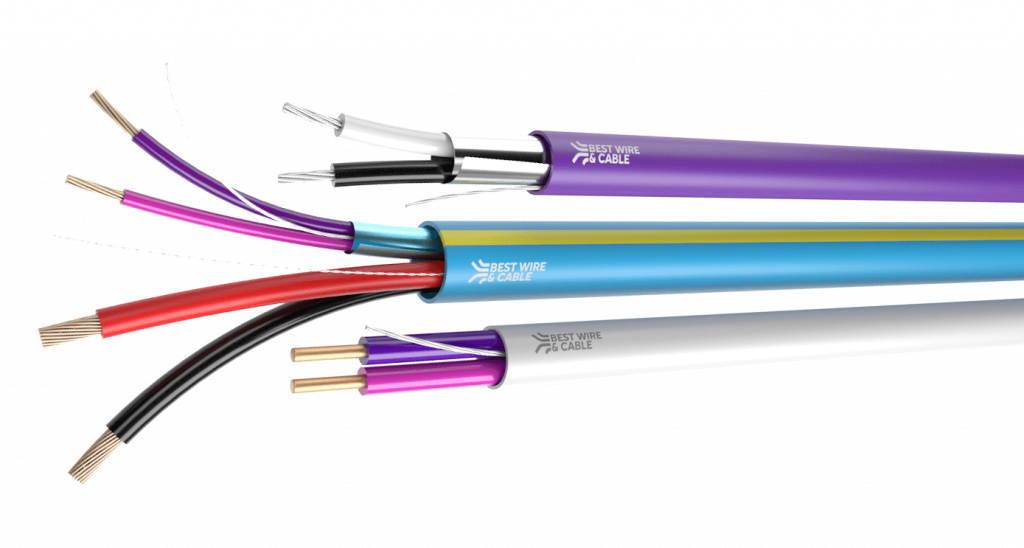
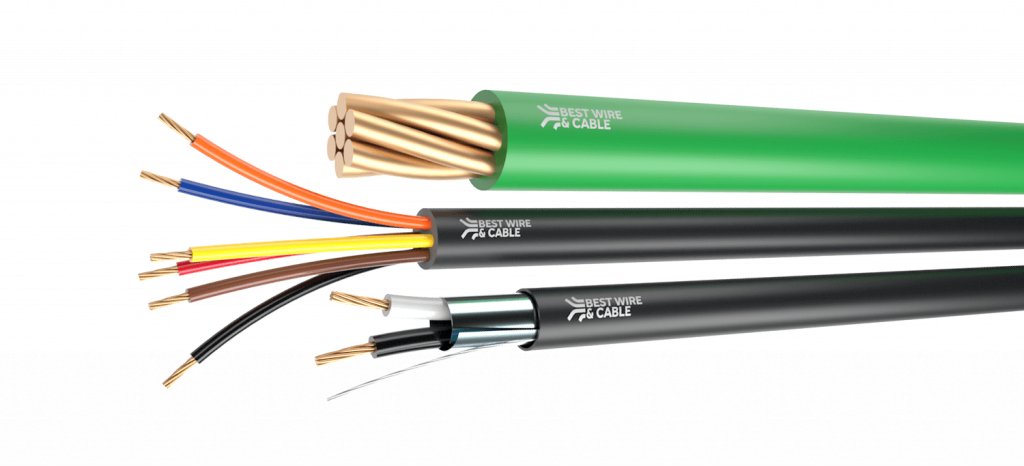
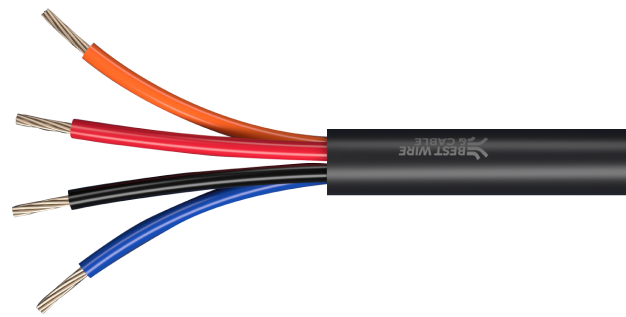
Control cables transmit digital signals that enable communication between programmable logic controllers (PLCs), relays, breakers, and automation equipment.
Without reliable control wiring, the battery system cannot safely charge, discharge, isolate faults, or communicate alarms.
Common AWG Sizes
- 22 AWG
- 20 AWG
- 18 AWG
- 16 AWG
- 14 AWG
Typical Conductor Counts
- 2 conductor
- 4 conductor
- 6 conductor
- 8 conductor
- 12 conductor
- 25 conductor
- 50 conductor
Applications
Control cables connect:
- Inverters
- Switchgear
- Breakers
- HVAC systems
- Fire suppression controls
- PLCs
- Remote I/O panels
Shielded twisted-pair constructions are commonly used to protect sensitive control signals from electrical noise.
Fiber Optic Cable – High-Speed Communication
Today’s battery facilities generate enormous amounts of operational data.
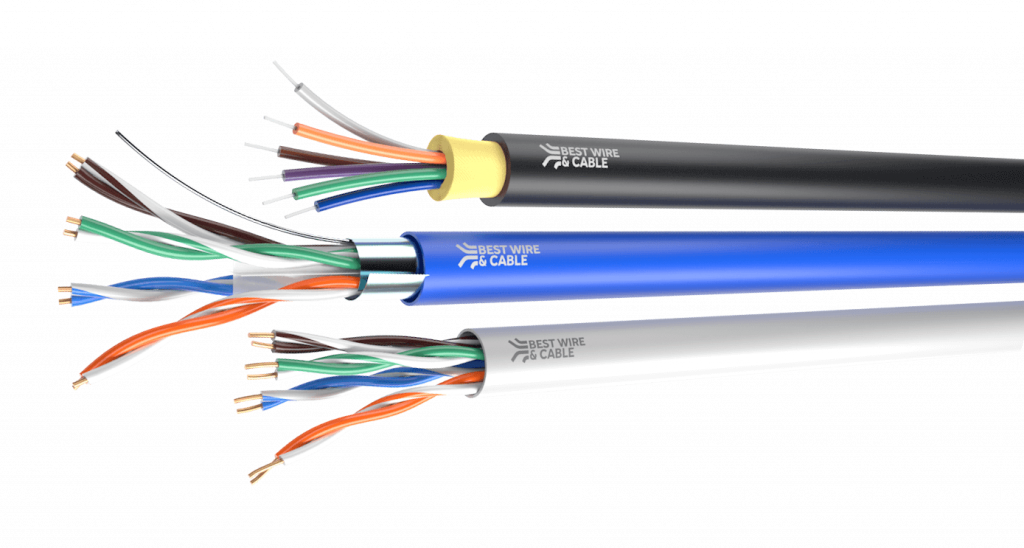
Fiber optic cable enables high-speed communication between:
- Energy Management Systems (EMS)
- Supervisory Control and Data Acquisition (SCADA)
- Utility control centers
- Battery Management Systems
- Remote monitoring stations
Unlike copper, fiber is immune to electromagnetic interference, making it ideal for installations containing high-voltage equipment.
Common Fiber Counts
Typical BESS installations may use:
- 6 fiber
- 12 fiber
- 24 fiber
- 48 fiber
- 72 fiber
- 96 fiber
- 144 fiber
Larger utility substations or campuses may require 288-fiber or higher-count backbone cables.
Fiber Types
- Single-mode OS2
- Multimode OM3
- Multimode OM4
- Multimode OM5
Armor Options
Depending on the installation environment, fiber may include:
- Interlocking aluminum armor
- Corrugated steel armor
- Dielectric armor
- Indoor/outdoor loose tube construction
- Gel-free water-blocking
- Rodent-resistant jackets
Armored fiber is especially beneficial in outdoor battery yards, underground duct banks, and industrial facilities where mechanical protection is required.
Grounding Cable – Protecting Equipment and Personnel
Grounding is one of the most critical aspects of any battery energy storage system.
A properly designed grounding system helps:
- Dissipate fault current
- Reduce touch voltage
- Protect personnel
- Minimize equipment damage
- Support lightning protection systems
Common Grounding Conductor Sizes
Grounding conductors frequently include:
- #6 AWG
- #4 AWG
- #2 AWG
- 1/0 AWG
- 2/0 AWG
- 4/0 AWG
Utility substations often use 4/0 AWG bare copper or larger to create grounding grids beneath battery containers and electrical equipment.
Grounding Materials
Common products include:
- Bare copper
- Tinned copper
- Copper-clad steel
- Ground rods
- Grounding mesh
- Compression connectors
- Exothermic weld connections
Ground resistance values of 5 ohms or less are commonly targeted for commercial installations, while critical infrastructure often aims for 1 ohm or less, depending on project specifications and local soil conditions.
Installation Challenges
Because battery storage combines power distribution, automation, and communications into one system, installers must account for:
- Cable tray fill requirements
- Bend radius limitations
- Separation between power and signal cables
- Fire-resistant penetrations
- UV exposure
- Moisture protection
- Thermal expansion
- Mechanical protection
- Future expansion capacity
Proper cable routing and labeling also simplify maintenance and reduce troubleshooting time throughout the life of the facility.
The Future of BESS in the Industry
The growth of battery energy storage shows no signs of slowing. As utilities modernize the electrical grid, renewable energy projects expand, and AI-driven data centers increase power demands, BESS will play an increasingly vital role in balancing supply and demand.
For contractors, engineers, and facility owners, selecting the right mix of power, instrumentation, control, fiber optic, and grounding cables is essential to building reliable, safe, and scalable energy storage systems. Every cable type serves a distinct purpose, and together they create the communication and power infrastructure that enables BESS facilities to operate efficiently for decades.
CLICK BELOW TO VIEW OUR PRODUCTS