









Understanding Aluminum Building Wire: XHHW-2, THHN and USE-2
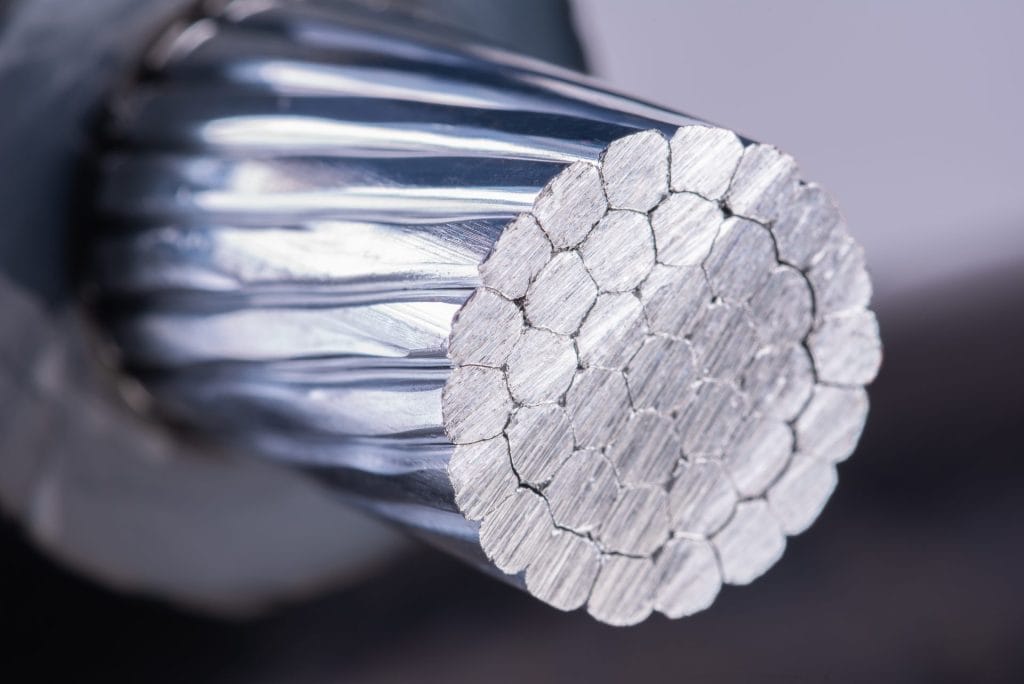
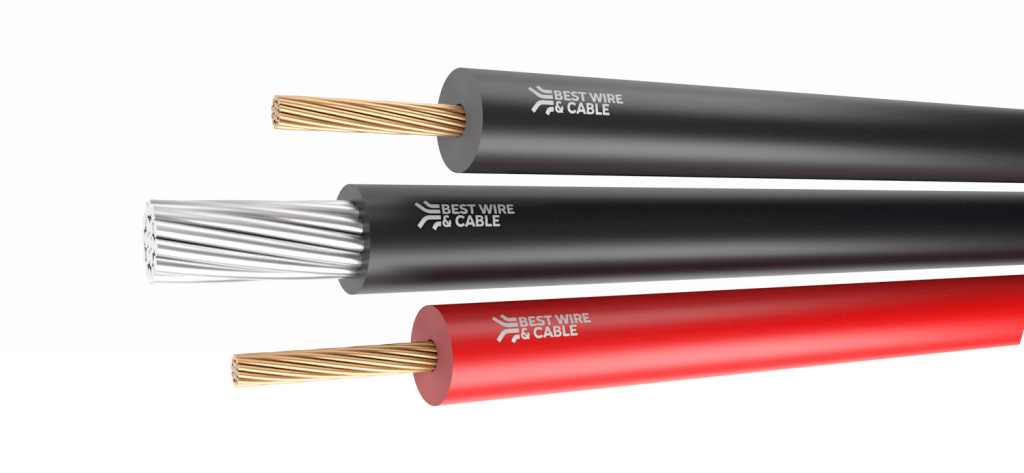
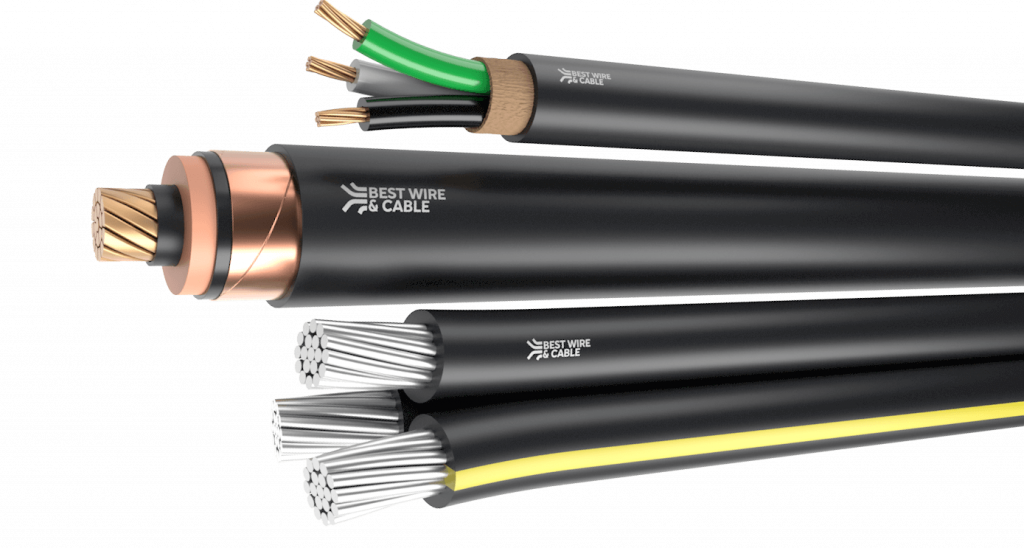
Aluminum building wire is widely used in commercial, industrial and residential electrical distribution because it offers a lightweight, cost-effective alternative to copper for many feeder and service applications. However, not all aluminum conductors are designed for the same installation conditions. Understanding the differences between XHHW-2, THHN/THWN-2 and USE-2 helps contractors select the appropriate wire for the job.
According to the U.S. Geological Survey, aluminum weighs approximately one-third as much as copper, making weight an important consideration in electrical infrastructure. Modern building wire commonly uses 8000-series aluminum alloys designed for electrical conductor applications.
XHHW-2: Heat- and Moisture-Resistant Building Wire
XHHW-2 is commonly used for service entrances, feeders and branch circuits in commercial and industrial buildings. Its insulation is made from cross-linked polyethylene (XLPE), a thermoset material designed to provide heat and moisture resistance.
Typical characteristics include:
-
Voltage rating: Commonly 600V, with certain products rated 1,000V.
-
Temperature rating: 90°C in wet and dry locations.
-
Conductor: Typically stranded 8000-series aluminum alloy.
-
Applications: Conduit, recognized raceways and certain cable-tray installations where permitted.
The cross-linked insulation gives XHHW-2 a useful combination of thermal performance, moisture resistance and durability. Some products also have sunlight-resistant and gasoline- and oil-resistant ratings, depending on their listing and size.
XHHW-2 is worth considering for larger feeder installations where the project requires a 90°C wet-location rating or specific insulation characteristics. The actual allowable ampacity, however, must be determined using the applicable electrical code and equipment termination ratings.
THHN/THWN-2: A Common Choice for Raceway Installations
THHN/THWN-2 is another common building-wire construction. It typically consists of an aluminum conductor, heat- and moisture-resistant PVC insulation, and a nylon outer covering.
The two designations describe different ratings:
-
THHN: Suitable for dry locations at conductor temperatures up to 90°C.
-
THWN-2: Suitable for wet or dry locations at conductor temperatures up to 90°C, with a 75°C limitation when exposed to oil under the applicable rating.
Aluminum THHN/THWN-2 building wire is commonly rated 600V and used for feeders, services and branch circuits installed in conduit or other recognized raceways. Some products are also listed for cable-tray use in specified sizes.
One practical advantage is that certain low-friction nylon-jacketed products are designed to simplify pulling through raceways. Whether pulling lubricant is required depends on the specific wire and manufacturer instructions.
For contractors, THHN/THWN-2 may be an economical choice for standard commercial electrical distribution. However, the actual product’s ratings must match the installation environment.
USE-2: Underground Service Entrance Applications
USE-2 stands for Underground Service Entrance, Type 2. This construction commonly uses an aluminum conductor with cross-linked polyethylene insulation designed for heat, moisture and abrasion resistance.
Typical characteristics include:
-
Voltage rating: Commonly 600V when marked USE-2.
-
Temperature rating: 90°C for normal operation in wet and dry locations.
-
Applications: Appropriate underground service-entrance installations, including direct burial where permitted by the product listing and applicable code.
Some conductors carry multiple ratings, such as RHH/RHW-2/USE-2. Those additional markings can permit applications beyond USE-2 alone, subject to each rating’s requirements.
A critical distinction is that USE-2 marking alone does not mean a conductor is suitable for every indoor wiring application. Contractors should verify whether the specific conductor is permitted for the intended use, particularly where wiring enters a building or connects to service equipment.
Comparing the Three Aluminum Wire Types
| Feature | XHHW-2 | THHN/THWN-2 | USE-2 |
|---|---|---|---|
|
Insulation |
Cross-linked polyethylene | PVC with nylon covering | Cross-linked polyethylene |
|
Typical voltage |
600V; some 1,000V products | 600V |
600V |
|
Wet-location rating |
90°C | 90°C as THWN-2 |
90°C |
|
Common application |
Feeders and branch circuits | Raceway wiring |
Underground service entrance |
|
Direct burial |
Only if specifically permitted | Not based on THHN/THWN-2 alone | Permitted where the product and code allow |
These are typical product characteristics, not substitutes for checking the individual manufacturer’s specifications.
Important Considerations When Selecting Aluminum Wire
Aluminum can reduce conductor weight and material cost, but conductor sizing and installation details are critical. Aluminum has higher electrical resistance than copper for the same conductor dimensions, so an aluminum conductor may need a larger size to achieve the required ampacity or voltage-drop performance.
Contractors should verify:
-
Required ampacity and voltage drop
-
Conductor size and insulation temperature rating
-
Connector and terminal compatibility with aluminum
-
Manufacturer-specified preparation and tightening torque
-
Raceway, environmental and direct-burial requirements
-
Applicable NEC provisions and local code requirements
Aluminum conductors should always be terminated using equipment identified for aluminum conductors, with installation performed according to the manufacturer’s instructions.
Final Thoughts
XHHW-2, THHN/THWN-2 and USE-2 each serve important roles in electrical distribution. XHHW-2 is a common option for feeders in demanding wet or dry environments, THHN/THWN-2 is widely used in raceway installations, and USE-2 is designed for appropriate underground service-entrance applications.
Selecting the right conductor requires more than comparing prices or temperature ratings. Matching the wire’s complete listing, conductor size and installation requirements to the project helps contractors maintain safe, reliable electrical systems.
Click below to view our Products