












Cable Tray Congestion and Ampacity Derating: What Electrical Contractors Need to Know
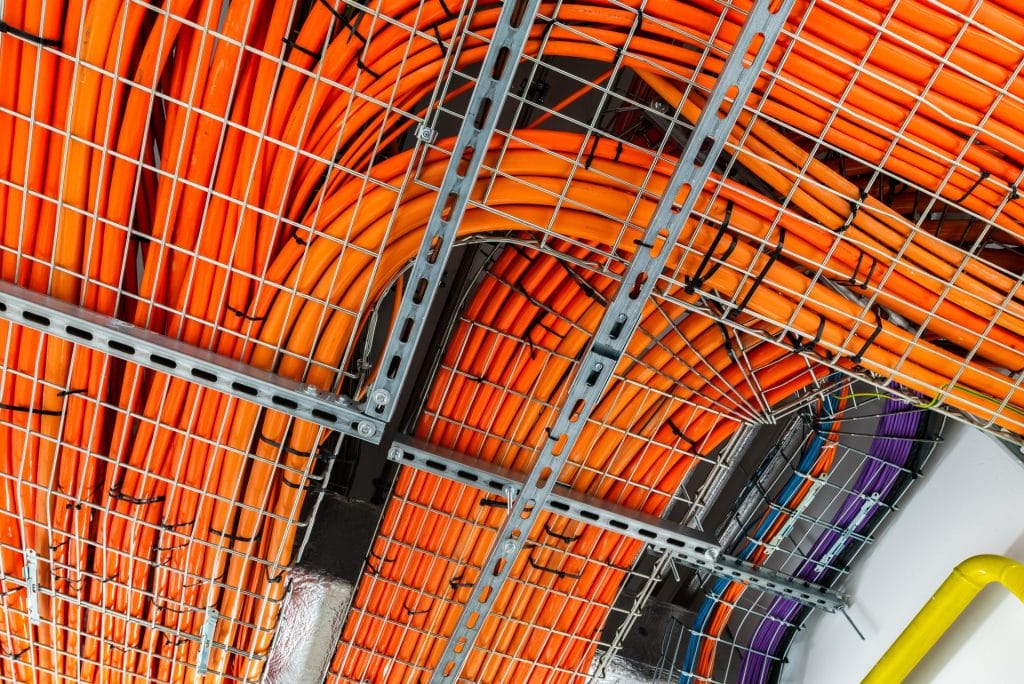
Cable tray systems are widely used in commercial buildings, industrial facilities, data centers, manufacturing plants, and other electrical installations because they provide an organized way to route and support large quantities of cable. However, as facilities expand and more circuits are added, cable trays can become overcrowded. This creates an important design consideration: cable ampacity derating and the effects of cable grouping, temperature, and installation conditions on current-carrying capacity.
Understanding these factors helps electrical contractors, engineers, and facility managers select the right cables, plan tray layouts, and reduce the risk of overheating.
What Is Ampacity Derating?
Ampacity is the maximum amount of electrical current a conductor can carry continuously under specified conditions without exceeding its allowable temperature limit.
Ampacity derating means reducing the allowable current capacity when installation conditions make it harder for a cable to dissipate heat. Several factors can influence this calculation:
-
Cable grouping: Closely packed cables can trap heat between conductors.
-
Ambient temperature: Cable installed in a hot mechanical room or industrial environment may have less capacity to dissipate heat.
-
Tray design: Solid-bottom trays and solid, unventilated covers can affect heat dissipation.
-
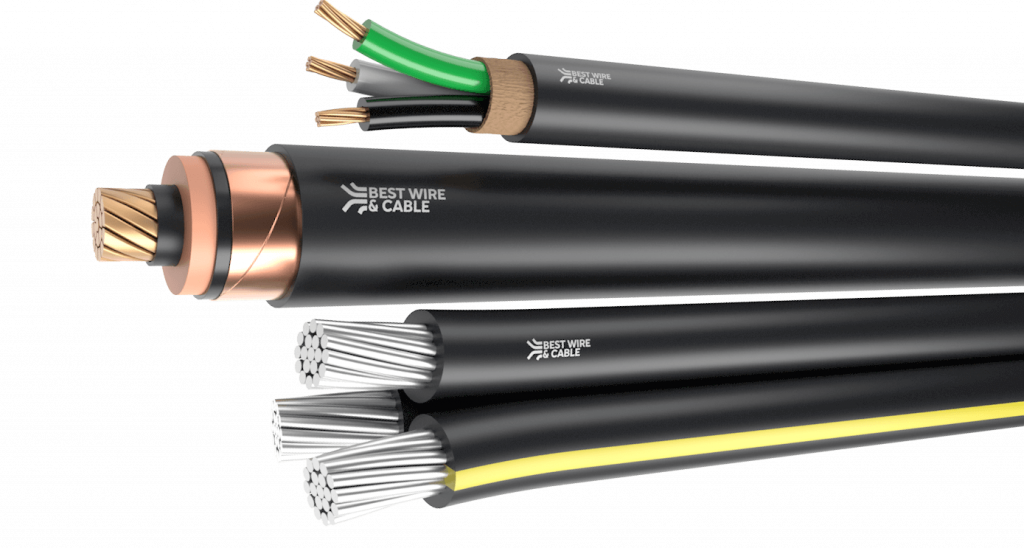
Conductor size and insulation: Wire gauge, conductor material, insulation temperature rating and cable construction all influence allowable ampacity.
Southwire identifies conductor grouping, ambient temperature, nearby heat sources and conductor spacing as important considerations in cable ampacity calculations.
Why Cable Tray Congestion Matters

Cable tray congestion often develops as facilities expand. An installation that initially accommodates power and control wiring may eventually need additional circuits for new machinery, production lines, monitoring systems or building upgrades.
As more cables are added, engineers must consider more than whether the cables physically fit inside the tray. They must also verify allowable tray fill, cable weight, support requirements and applicable ampacity rules.
Overcrowding can make future maintenance more difficult, restrict access to individual cables and complicate the installation of new circuits. Where heat dissipation is limited, cable temperatures can rise, potentially reducing the current the conductors can safely carry.
The important distinction is that a cable tray being physically full does not automatically establish the correct derating factor. The applicable requirements depend on cable type, conductor size, voltage, tray configuration, spacing and the governing electrical code. The Cable Tray Institute also emphasizes tray fill, structural loading and planning for future expansion.
How Cable Selection Affects Ampacity
Choosing the correct cable requires evaluating the complete installation rather than relying on wire gauge alone.
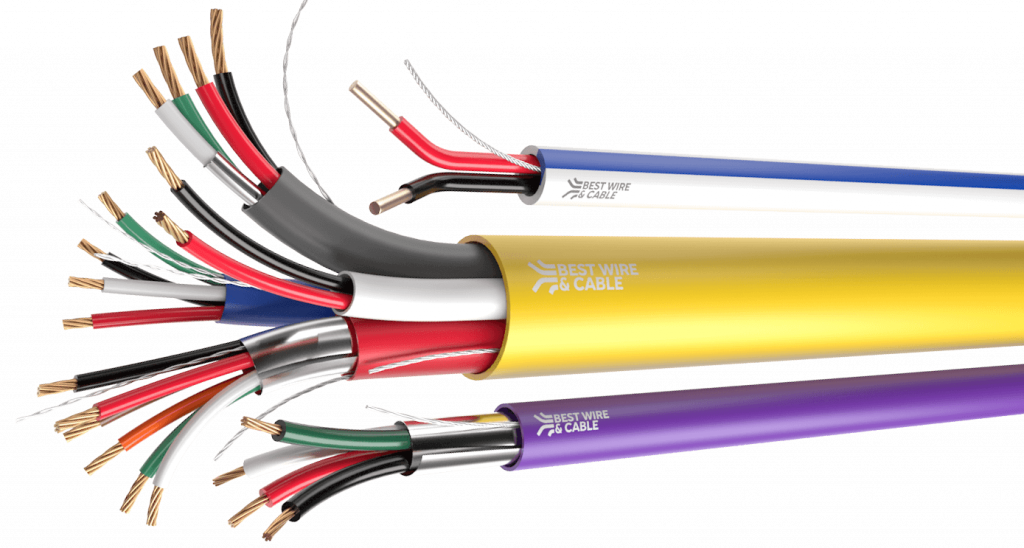
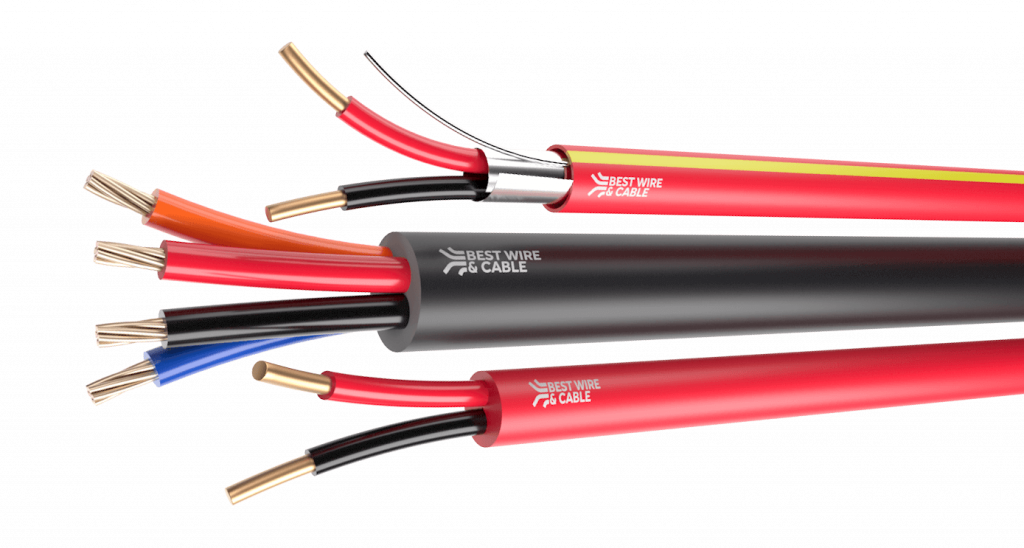
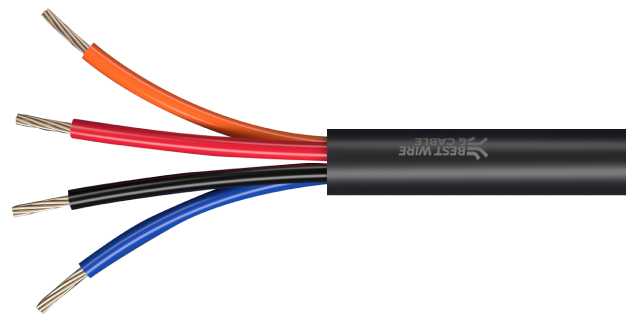
For example, THHN/THWN-2 building wire, tray-rated power cable, multiconductor control cable and medium-voltage cable have different construction characteristics and installation requirements. A cable’s insulation temperature rating does not automatically determine the allowable ampacity of the completed circuit; termination temperature limits, overcurrent protection and applicable code provisions must also be considered.
Cable selection should account for:
-
Conductor size and copper or aluminum construction
-
Insulation and jacket ratings
-
Number of current-carrying conductors
-
Expected operating current and ambient temperature
-
Cable spacing, tray configuration and cover design
-
Applicable NEC requirements and manufacturer guidance
For complex installations, engineering calculations or cable ampacity modeling may be necessary. Southwire provides technical resources for evaluating cable performance under specific installation conditions.
Best Practices for Preventing Cable Tray Congestion

Electrical contractors and facility planners can reduce congestion by addressing cable routing during the design stage instead of waiting until a tray is nearly full.
1. Plan for future capacity. Allow room for anticipated circuits and facility expansion, considering both cable fill and the tray’s load rating.
2. Separate and organize cable types. Follow applicable requirements for separating power, control and communication circuits. Proper organization also improves identification and maintenance.
3. Evaluate ventilation and spacing. Select tray configurations and cable arrangements that support appropriate heat dissipation and comply with applicable ampacity rules.
4. Verify calculations before adding circuits. Existing cable capacity should be reviewed before new conductors are installed. Do not assume unused physical space means the tray can safely accommodate additional electrical load.
5. Maintain accurate documentation. Updated cable schedules, circuit identification and tray routing plans help contractors assess available capacity during future projects.
Final Considerations
Cable tray congestion and ampacity derating are important considerations in commercial and industrial electrical installations. As facilities add equipment and expand their electrical systems, cable trays must be evaluated for thermal performance, fill, mechanical loading and future capacity.
Selecting the appropriate wire and cable is only part of the process. Proper layout, installation practices and engineering calculations are equally important for maintaining a safe and reliable electrical system.