








Petroleum Cable: What Makes a Cable Suitable for Gasoline and Fueling Environments?
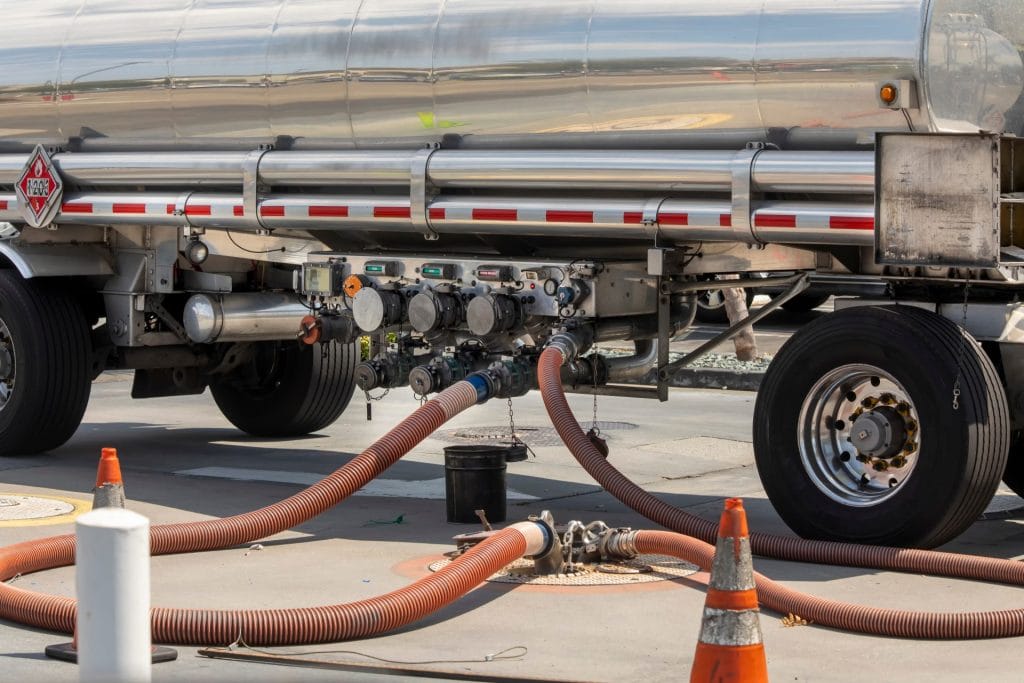
Gas stations and petroleum facilities may look relatively simple from the outside, but the systems operating behind the scenes can be highly specialized. Underground storage tanks (USTs), aboveground storage tanks (ASTs), dispensers, tank-monitoring equipment, leak-detection systems, pumps, sensors, and communication networks all depend on electrical and low-voltage wiring.
In these environments, cable selection is about more than conductor size. The cable may need to withstand oil, gasoline, sunlight, moisture, temperature changes, chemicals, and potentially harsh installation conditions while continuing to carry control or communication signals reliably.
For that reason, petroleum applications often require cable constructions specifically suited to the environment.
Why Petroleum Environments Are Different
A typical commercial building may have control cable installed inside walls, ceilings, or protected conduit. Petroleum facilities can expose wiring to a much more demanding combination of conditions.
Depending on the installation, cable may encounter:
- Gasoline and petroleum products
- Oil and lubricants
- Fuel vapors
- Moisture and water
- Sunlight and UV exposure
- Extreme temperatures
- Underground environments
- Chemicals
- Mechanical stress
UST systems also rely heavily on monitoring and detection equipment. The EPA requires regulated UST systems to have release detection capable of identifying releases from tanks and associated piping. Modern systems can use methods such as automatic tank gauging, interstitial monitoring, vapor monitoring, and other approved technologies.
That means the cables connecting sensors, probes, monitors, and control equipment can be an important part of the overall system.
What Makes a Cable Suitable for Petroleum Applications?
Several characteristics can make a cable better suited to demanding fueling environments.
1. Oil and Chemical Resistance
Petroleum products can degrade some cable jackets and insulation materials over time. A cable designed with chemical-resistant materials can provide greater protection when exposure is expected.
FEP (fluorinated ethylene propylene) is one material used in specialty petroleum and industrial cables because of its temperature and chemical-resistance properties.
2. Gasoline Resistance
Gasoline resistance becomes particularly relevant around fuel storage and dispensing equipment.
Belden’s 89418, for example, is a four-conductor, 18 AWG cable with FEP insulation, an overall Beldfoil shield, and an FEP jacket. Belden specifically identifies gasoline chemical resistance for this cable, along with oil resistance, sunlight resistance, and suitability for outdoor and burial applications.
3. Sunlight Resistance
AST installations can expose cable to direct sunlight for extended periods. UV exposure can cause some cable jackets to deteriorate.
For outdoor petroleum applications, sunlight resistance can therefore be an important specification.
4. Temperature Performance
Fueling facilities can experience significant temperature changes, particularly when equipment is installed outdoors or underground.
Specialty FEP cables can provide substantially higher temperature capability than many conventional control cables. Belden lists its 88760 and 89418 cables with a 150°C UL temperature rating.
The actual allowable temperature for an installation, however, must always be determined from the cable’s applicable listing and installation requirements.
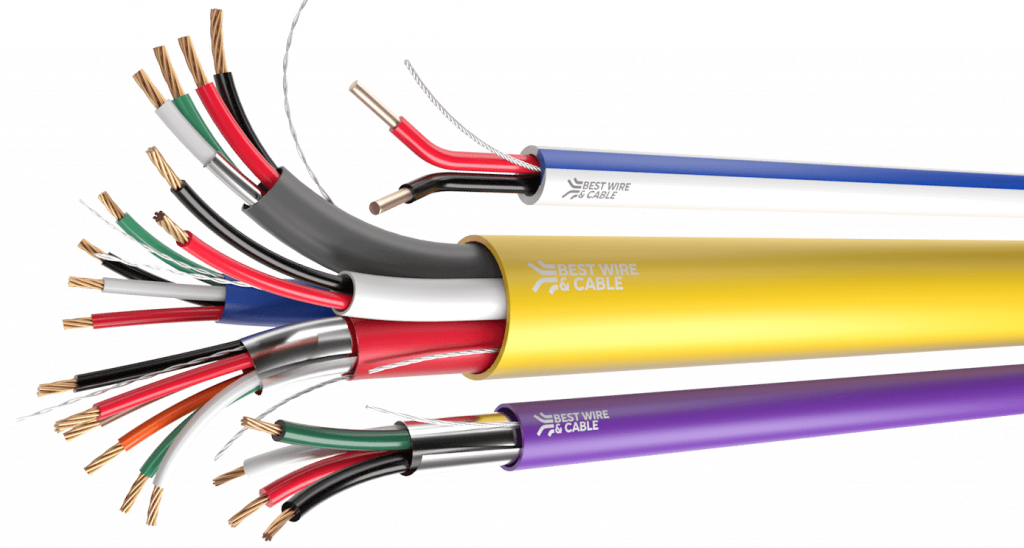
Belden 88760 for Petroleum Control Applications
One example of a specialty cable suitable for demanding control environments is Belden 88760.
The cable consists of:
- 2 conductors
- 18 AWG
- Stranded tinned copper
- FEP insulation
- Overall 100% Beldfoil shield
- 20 AWG tinned-copper drain wire
- FEP outer jacket
- 300 V rating
- CMP construction
Belden lists 88760 for low-voltage analog signals such as 4–20 mA and 0–10 V, low-voltage digital control, panel wiring, wet locations, chemical-resistant applications, and outdoor/burial applications. Its FEP jacket is also identified as gas/vapor-tight.
That combination makes this type of construction interesting for petroleum instrumentation and control applications where shielding and environmental resistance are important.
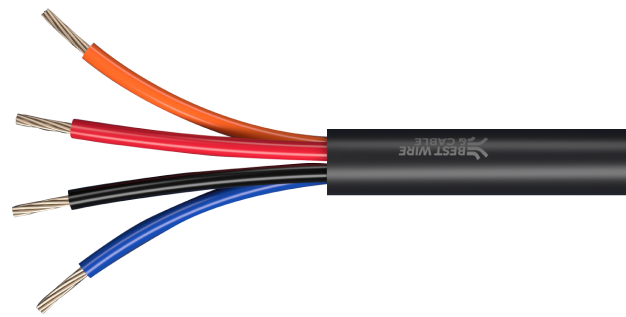
Belden 89418 for Multi-Conductor Control
For applications requiring more than two conductors, Belden 89418 provides a four-conductor alternative.
Its construction includes:
- 4 conductors
- 18 AWG
- Stranded tinned copper
- FEP insulation
- Overall Beldfoil shield
- Tinned-copper drain wire
- FEP jacket
- 300 V rating
- CMP construction
Belden identifies 89418 for low-voltage analog signals, 24 V control, panel wiring, voice communications, and outdoor/burial applications. It is also identified as oil resistant, sunlight resistant, and gasoline chemically resistant.
Having four conductors can be useful when a control system requires additional circuits within the same cable.
2C 16 AWG Stranded THHN Twisted Pair
Another cable construction that can be encountered in petroleum control applications is 2C 16 AWG stranded THHN twisted pair.
The basic construction is:
2 conductors → 16 AWG → stranded copper → THHN insulation → twisted pair
Twisting the conductors can help maintain consistent electrical characteristics for certain control and signaling applications.
PVC insulation and a nylon sheath, providing heat, moisture, gasoline, and oil resistance when specifically rated Gasoline and Oil Resistant II. It is typically rated 600V, with a 90°C dry rating as THHN and 90°C wet/dry as THWN-2. This construction can be used for certain power, control, and signaling applications around fueling equipment when the cable ratings match the application.
Oil, Sun & Gas-Resistant Cat6
Petroleum facilities are also becoming increasingly dependent on networking.
Modern fueling facilities can use Ethernet networks for:
- Fuel management systems
- Point-of-sale equipment
- Remote monitoring
- Security systems
- Cameras
- Access control
- Building automation
- Equipment communications
This creates applications for Cat6 cable with an oil-, sunlight-, and gas-resistant FEP jacket.
Unlike ordinary indoor Cat6, a specialty petroleum-environment construction can provide additional environmental protection where the cable is exposed to demanding conditions.
UST and AST Applications
These cable types can be relevant to different parts of a petroleum facility.
Underground Storage Tanks
UST systems can include:
- Automatic tank gauging
- Tank probes
- Leak detection
- Interstitial monitoring
- Sump sensors
- Vapor monitoring
- Pump controls
- Communication equipment
EPA guidance specifically describes automatic tank gauging as a system in which a probe inside the tank connects to a monitoring system to measure product level and temperature.
Aboveground Storage Tanks
AST systems can involve:
- Tank-level monitoring
- Pump controls
- Leak detection
- Overfill protection
- Instrumentation
- Remote monitoring
- Ethernet communications
Because portions of an AST installation can be exposed to weather and sunlight, environmental characteristics such as UV resistance and temperature performance can become particularly important.
Choosing the Right Petroleum Cable
There isn’t one cable that works for every fueling application. Before selecting a product, contractors should consider:
- Number of conductors
- AWG
- Stranded or solid construction
- Shielding
- Voltage rating
- Temperature rating
- Oil resistance
- Gasoline/chemical resistance
- Sunlight resistance
- FEP or other jacket material
- Burial requirements
- CMP/CMR or other listing
- Hazardous-location classification
- Manufacturer requirements
- Installation method
The specific cable must be evaluated against the requirements of the equipment and installation. Environmental resistance alone does not make a cable approved for every hazardous or classified petroleum location.
The Bottom Line
Petroleum facilities require more than ordinary electrical wiring. Fuel, oil, sunlight, moisture, temperature, and chemical exposure can create demanding conditions for cable installed around USTs, ASTs, pumps, dispensers, monitoring equipment, and communication systems.
Specialty products such as Belden 88760, Belden 89418, 2C 16 AWG stranded THHN twisted pair, and oil/sun/gas-resistant Cat6 with an FEP jacket demonstrate the range of cable constructions available for petroleum-related applications.
The key is matching the conductor, insulation, shielding, jacket, environmental ratings, and applicable listings to the actual application. For contractors working on gas stations, fuel terminals, petroleum facilities, and storage systems, getting that selection right can be just as important as selecting the correct equipment on either end of the cable.
Click below to view our Petroleum Products.