










The Importance of Lighting Controls in Modern Buildings
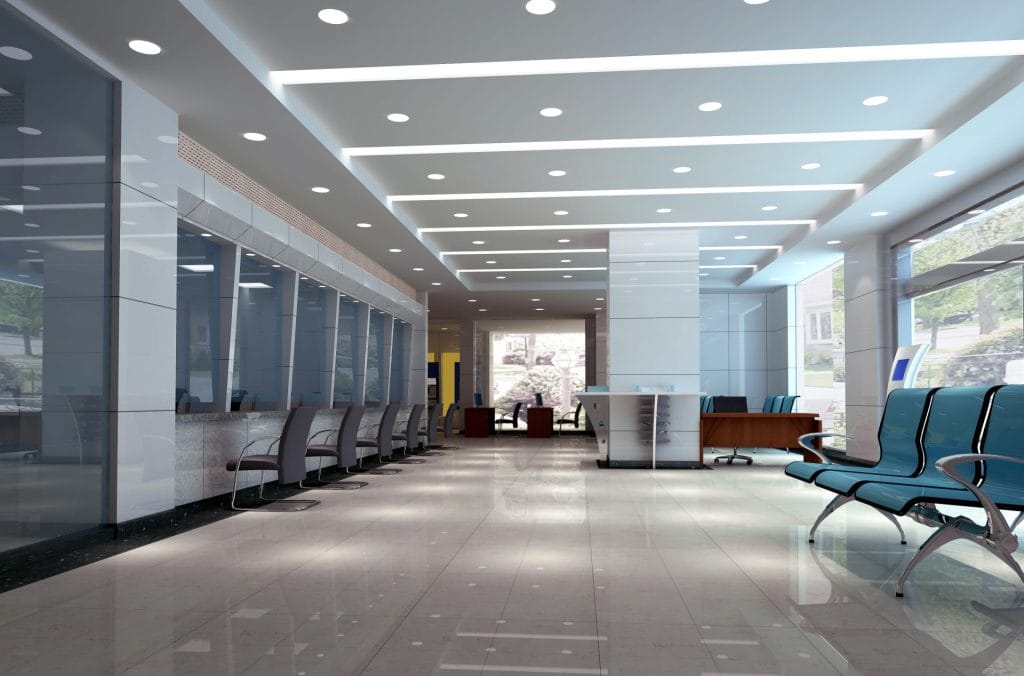
Lighting has changed significantly over the past several decades. LED technology has made fixtures more efficient, but modern buildings are also using lighting controls to determine when, where, and how much lighting is needed.
Instead of simply turning lights on or off, today’s systems can automatically adjust lighting based on occupancy, daylight, schedules, and other building conditions. These systems are becoming increasingly common in offices, warehouses, schools, healthcare facilities, manufacturing plants, and other commercial buildings.
While much of the attention surrounding lighting controls focuses on sensors and software, the wire and cable infrastructure connecting these components is equally important.
What Are Lighting Controls?
What Are Lighting Controls?
Lighting controls are systems that allow building owners and operators to automatically or manually manage lighting.
Common examples include:
- Occupancy and vacancy sensors
- 0–10V dimming
- Daylight sensors
- Digital lighting controls
- Timers and schedules
- Scene controls
- Networked lighting systems
- Building automation system integration
For example, an occupancy sensor can detect when people enter a conference room and activate the lights. When the room is empty, the system can reduce or turn off the lighting after a programmed period.
In a warehouse, lighting can be divided into zones so that only occupied aisles or work areas receive full illumination.
The Department of Energy identifies occupancy sensors as particularly useful in intermittently occupied spaces such as conference rooms, warehouses, classrooms, restrooms, and stairwells.
Energy Efficiency Is a Major Driver
Energy Efficiency Is a Major Driver
One of the primary reasons businesses invest in lighting controls is energy management.
Even efficient LED fixtures consume energy when they are operating. If a building is empty or an area already has sufficient natural light, there may be little reason for those fixtures to operate at full output.
Lighting controls can address this by automatically adjusting the system.
For example:
Occupancy detected → lights increase
Room becomes vacant → lights dim or turn off
Strong daylight → fixtures dim
Evening hours → lighting follows a programmed schedule
Research compiled by Lawrence Berkeley National Laboratory found significant energy-saving potential from different lighting-control strategies, although actual savings vary depending on the building and application. Their review found average estimated savings of approximately 24% for occupancy strategies and 28% for daylighting strategies across the studies examined.
Controls can also contribute to broader building automation strategies. Lighting, HVAC, and other building systems can increasingly operate together rather than functioning as completely separate systems.
Understanding 0–10V Lighting Control
Understanding 0–10V Lighting Control
One technology contractors frequently encounter is 0–10V dimming.
A 0–10V system uses a low-voltage control signal to communicate the desired lighting level to compatible LED drivers or fixtures. Instead of simply switching a fixture on or off, the control system can tell the fixture to operate at a particular dimming level.
A typical installation therefore has two different functions:
Power conductors: Provide electrical power to the fixture.
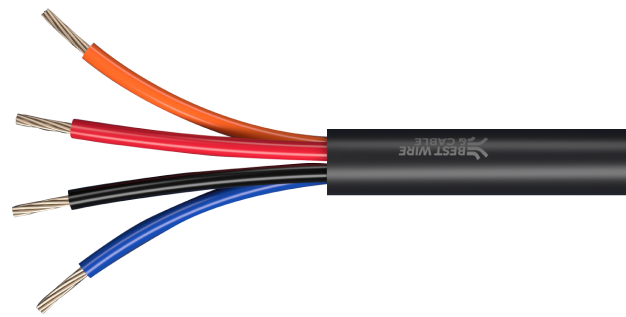
Control conductors: Carry the low-voltage signal used to control the fixture.
The control cable can be a relatively small part of the overall installation, but it plays an important role in how the lighting system operates.
Why the Control Cable Matters
Why the Control Cable Matters
Selecting cable for a lighting-control system isn’t always as simple as choosing a cable with the correct number of conductors.
Depending on the system, contractors may need to consider:
- Conductor size
- Number of conductors
- Solid or stranded construction
- Shielding
- Capacitance
- Voltage rating
- Temperature rating
- Jacket material
- CMP or CMR requirements
- Installation environment
- Maximum control distance
The requirements can vary significantly between different lighting-control manufacturers and systems. The manufacturer’s installation documentation should therefore be checked before selecting a cable.
Shielding can also become a consideration in environments with significant electrical equipment. Motors, variable-frequency drives, transformers, and other equipment can create electromagnetic interference that may affect sensitive control or communication circuits.
A shielded cable may be appropriate for certain applications, while other systems are designed for unshielded cable.
Lighting Controls and Building Automation
Lighting Controls and Building Automation
Another important trend is the integration of lighting with building automation systems.
Modern commercial buildings may have separate systems for:
- Lighting
- HVAC
- Access control
- Security
- Energy management
- Occupancy detection
- Fire and life safety
Increasingly, these systems can exchange information through building networks and automation platforms.
For example, occupancy information collected by a lighting-control system can potentially be used by other building systems. A building automation system may use scheduling and occupancy information to coordinate lighting and HVAC operation.
This creates a larger network of low-voltage control and communication infrastructure throughout the building.
Daylight Harvesting
Daylight Harvesting
Another application where lighting controls can provide value is daylight harvesting.
Sensors measure the amount of natural light available in an area and adjust artificial lighting accordingly.
A simple example would be an office with large windows. During a bright afternoon, fixtures near the windows may not need to operate at full output. As daylight decreases, the system can gradually increase artificial lighting.
This approach can help reduce unnecessary energy consumption while maintaining the desired lighting level.
The Role of Wire and Cable
The Role of Wire and Cable
As lighting systems become more connected, cable selection becomes an increasingly important part of the installation.
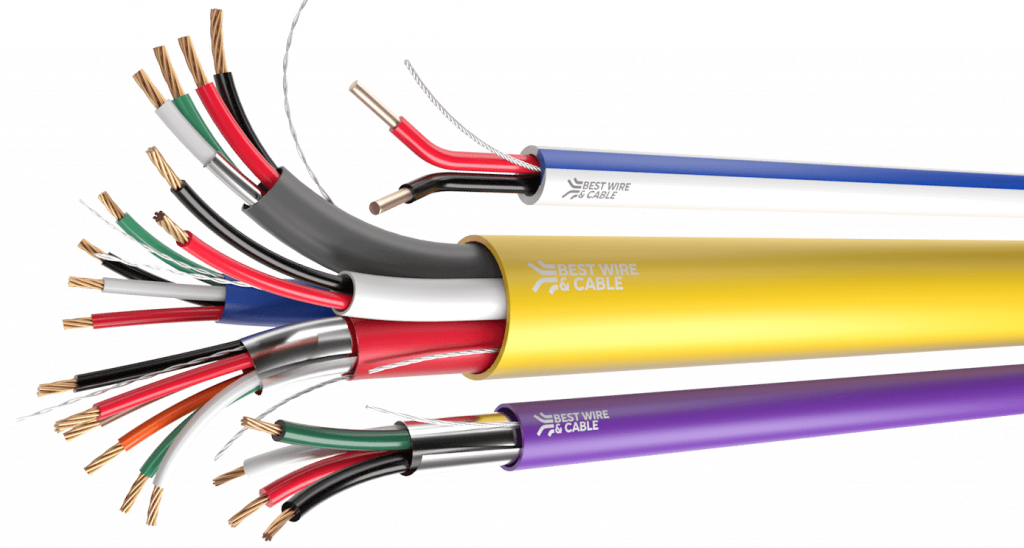
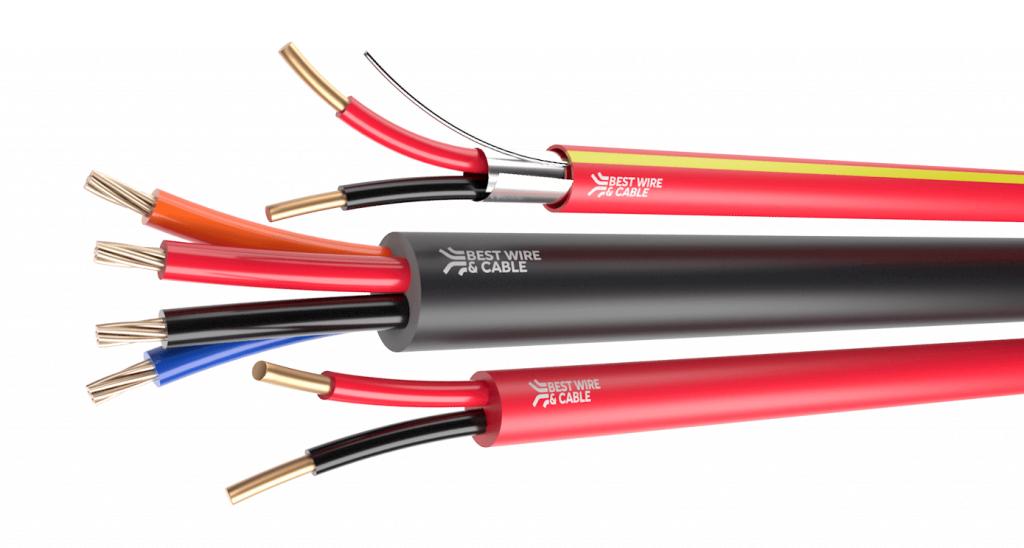
A commercial lighting project may require several different types of cable depending on the system design, including:
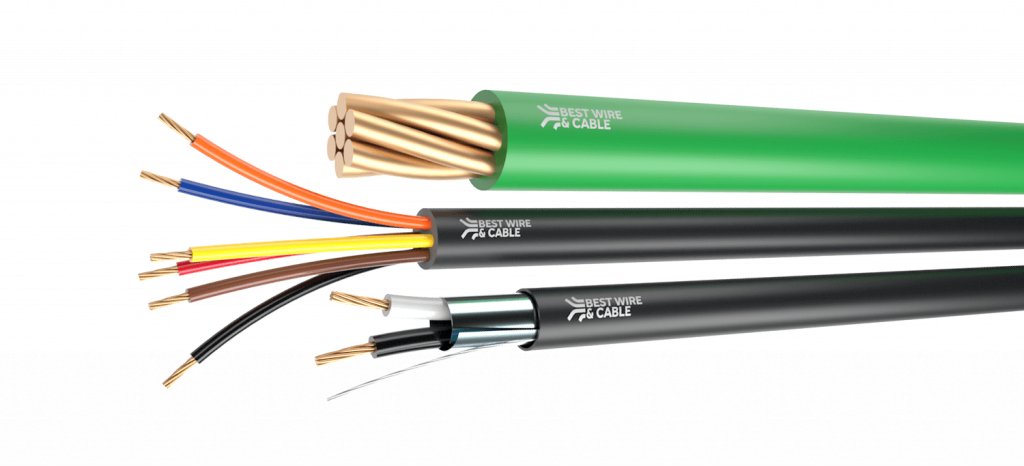
- 0–10V control cable
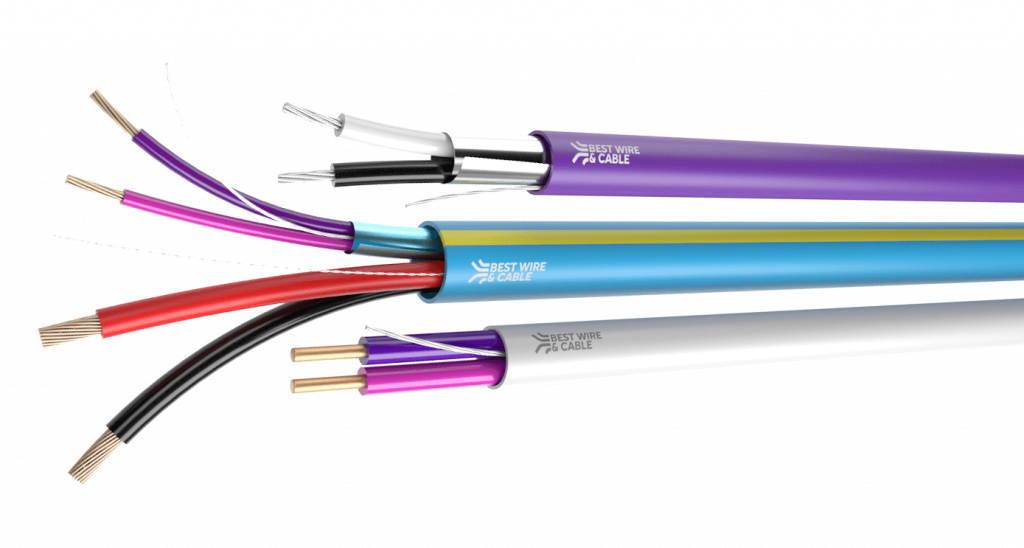
- Multi-conductor control cable
- Shielded control cable
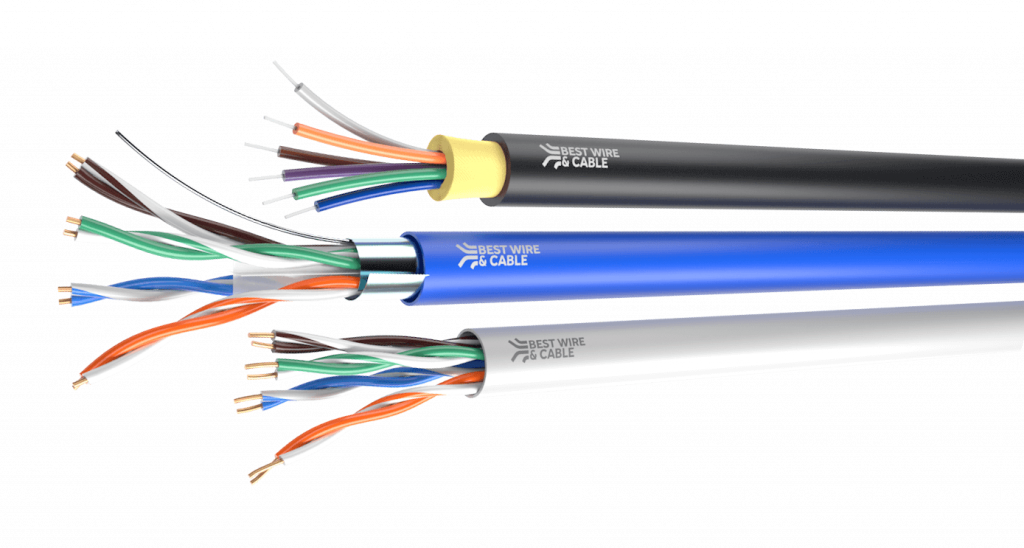
- Communication cable
- DMX cable
- Data cable
- Plenum-rated cable
- Riser-rated cable
The correct choice depends on the equipment, control protocol, building construction, installation environment, and project specifications.
For contractors, this means the cable should be considered during the design and planning stage rather than treated as an afterthought.
Looking Ahead
Looking Ahead
Lighting controls are becoming an important part of the larger movement toward smarter and more efficient buildings. LED fixtures provide the foundation, but controls allow those fixtures to respond to how a building is actually being used.
As lighting becomes more connected to HVAC, building automation, occupancy systems, and energy-management platforms, the underlying control and communication infrastructure will become increasingly important.
CLICK BELOW TO VIEW OUR PRODUCTS