







AI Data Centers Are Changing the Way We Design Cable Infrastructure
Artificial intelligence is changing far more than the way businesses use technology. It is also changing the physical infrastructure required to power and connect that technology.
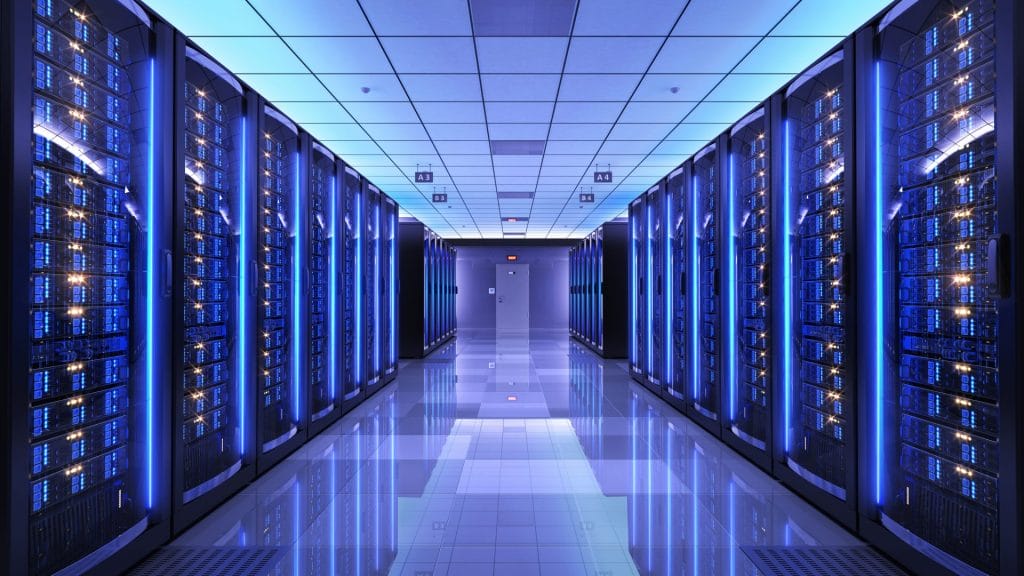
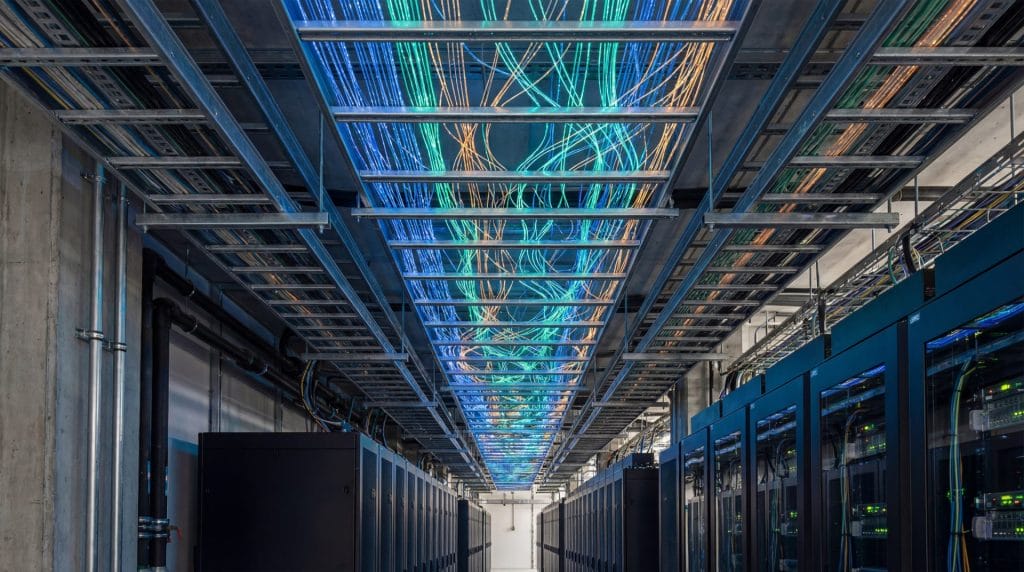
The rapid expansion of AI training and inference has created a new generation of data centers with substantially higher power requirements, greater networking density, more sophisticated cooling systems, and increasingly complex cable pathways. As a result, wire and cable infrastructure is becoming one of the most important components of modern data-center design.
The opportunity is significant. Mordor Intelligence estimates that the global data-center wire and cable market will grow from $22.55 billion in 2026 to $32.92 billion by 2031, representing a 7.86% compound annual growth rate (CAGR). The market was estimated at $20.91 billion in 2025.
For electrical contractors, engineers, distributors, and cable manufacturers, this growth represents much more than an increase in cable footage. AI is changing what types of cable are required, how they are installed, how they are managed, and how much capacity future facilities need to accommodate.
Why AI Data Centers Are Different
Traditional data centers already consume substantial amounts of electricity. AI facilities, however, are introducing much higher-density computing environments.
AI workloads rely heavily on GPUs and accelerated computing hardware. These systems require significantly more power and generate more heat than many conventional server configurations.
According to Uptime Institute’s 2025 Global Data Center Survey, rack power densities in the 10 kW to 30 kW range are becoming increasingly common, while facilities exceeding 30 kW per rack are still relatively uncommon.
As AI infrastructure develops, higher-density racks are becoming increasingly important.
The International Energy Agency (IEA) estimates that global data-center electricity consumption could double to approximately 945 TWh by 2030 in its base case. From 2024 through 2030, data-center electricity consumption is projected to grow by roughly 15% annually, more than four times the growth rate of electricity consumption from other sectors.
That additional electricity has to physically reach the equipment.
And that means more electrical infrastructure.
Power Cable: The Backbone of AI Data Centers
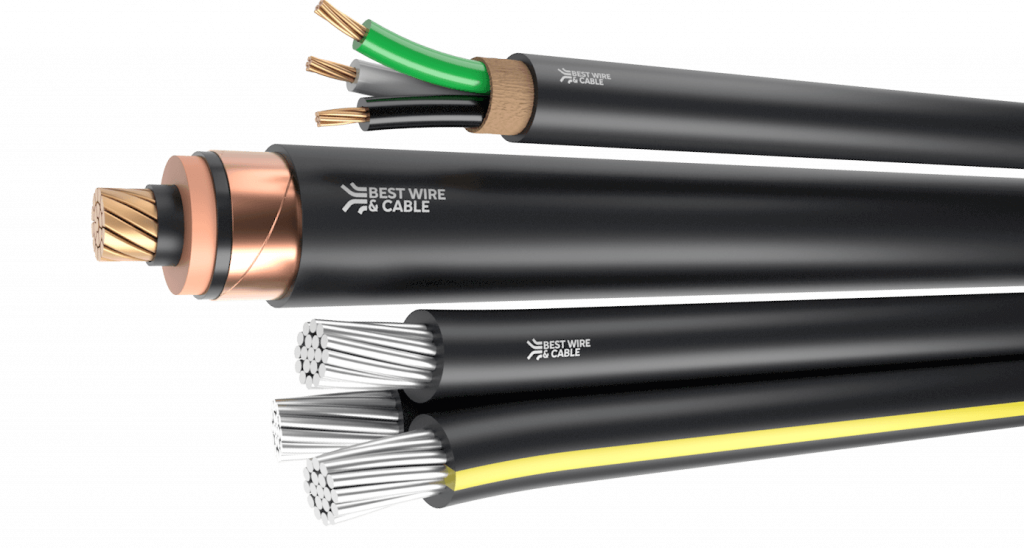
Power cable is arguably the most important cable infrastructure in an AI data center.
A traditional facility may have been designed around relatively predictable power loads. AI facilities require much greater electrical capacity and flexibility because hundreds or thousands of high-performance computing systems can operate simultaneously.
Power infrastructure can include:
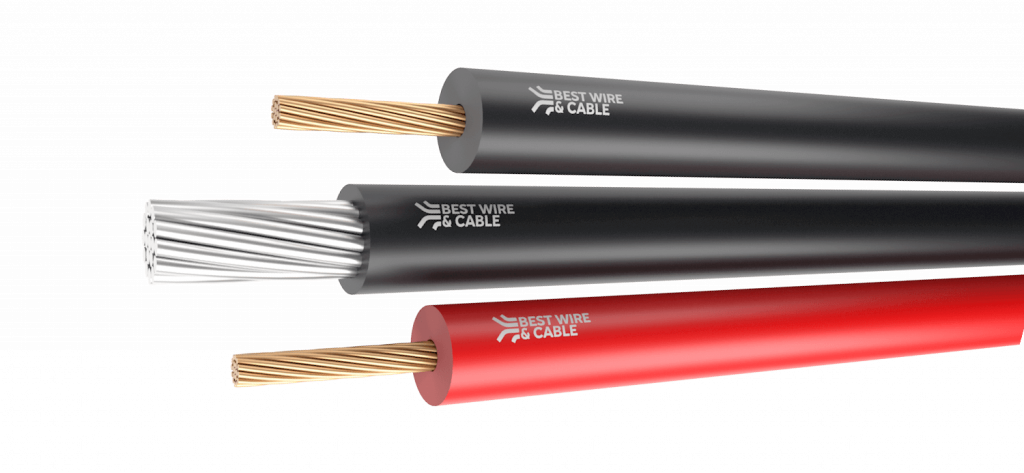
- THHN/THWN-2
- XHHW-2
- RHW-2
- RHH/RHW
- Medium-voltage cable
- Flexible power cable
- Grounding conductors
- Busway connections
Depending on the electrical architecture, conductors can range from relatively small branch-circuit sizes to extremely large conductors such as:
- #6 AWG
- #2 AWG
- 1/0 AWG
- 2/0 AWG
- 4/0 AWG
- 250 kcmil
- 350 kcmil
- 500 kcmil
- 750 kcmil
- 1000 kcmil
Large data-center electrical systems can require multiple parallel conductors to accommodate very high current levels.
Why Copper Matters
Copper is particularly important because of its excellent electrical conductivity and durability.
S&P Global estimates that global copper demand will increase from approximately 28 million metric tons in 2025 to 42 million metric tons by 2040—a 50% increase. AI and data centers are one of the emerging contributors to that demand.
Even more significant, S&P Global estimates that data-center copper demand will increase from 1.1 million metric tons in 2025 to 2.5 million metric tons by 2040. That’s more than a doubling.
The implication for cable distributors is straightforward: AI growth doesn’t just create demand for networking cable. It creates enormous demand for electrical conductors and grounding infrastructure.
Fiber Optic Cable: The Data Highway Inside the AI Facility
Power gets the electricity to the servers. Fiber gets the data there.
AI computing requires enormous amounts of data to move between GPUs, switches, storage systems, and other computing resources.
This is driving significant growth in high-density fiber infrastructure.
Mordor Intelligence reports that hyperscale operators are increasingly specifying extremely high fiber densities, with some AI-oriented environments requiring more than 10,000 fibers per rack when considering the overall connectivity architecture.
That number illustrates just how different AI infrastructure can be from conventional enterprise networking.
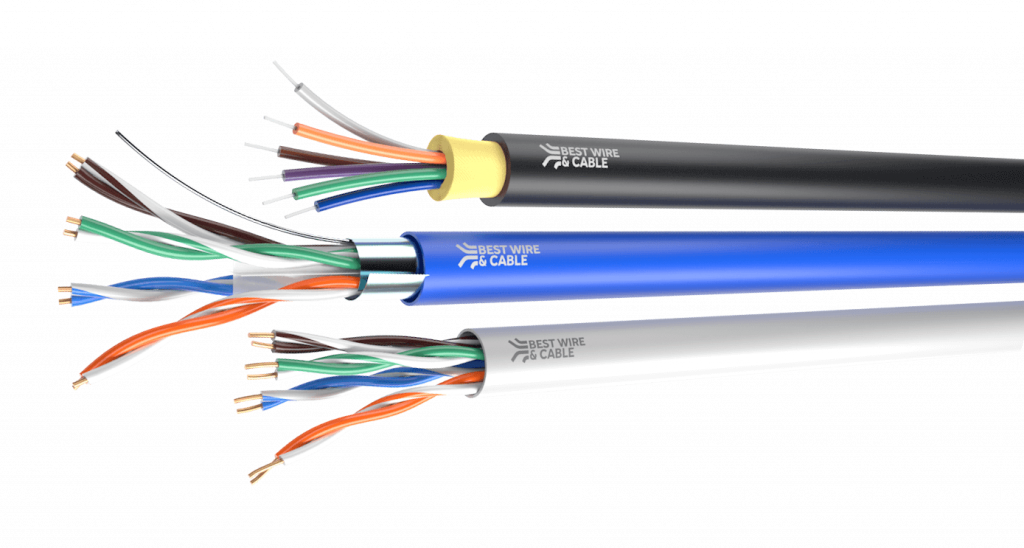
Common fiber configurations include:
- 6-fiber
- 12-fiber
- 24-fiber
- 48-fiber
- 72-fiber
- 96-fiber
- 144-fiber
- 288-fiber and higher
Singlemode vs. Multimode
OS2 singlemode fiber is particularly important for longer-distance backbone and campus connections.
OM3 and OM4 multimode fiber remain relevant for shorter-distance high-speed data-center connections.
The selection depends on:
- Transmission speed
- Distance
- Transceiver technology
- Data-center architecture
- Future upgrade requirements
AI networking is also accelerating demand for higher-speed connections, including 400G, 800G, and emerging 1.6T architectures.
This means data-center cable design increasingly has to consider not only today’s requirements but what the network may require five or ten years from now.
Grounding Cable: Protecting High-Power Infrastructure
Grounding is sometimes overlooked when discussing data-center cabling, but it becomes increasingly important as power density rises.
AI data centers contain enormous amounts of electrical equipment, including:
- Transformers
- Switchgear
- UPS systems
- Generators
- PDUs
- Server racks
- Busway
- Cooling equipment
- Battery energy storage systems
Grounding conductors provide a controlled path for fault current and help protect personnel and equipment.
Common grounding conductor sizes can include:
- #6 AWG
- #4 AWG
- #2 AWG
- 1/0 AWG
- 2/0 AWG
- 4/0 AWG
Large facilities may also use extensive copper grounding grids connecting equipment throughout the electrical infrastructure.
Proper grounding also becomes important for sensitive networking equipment. A data center isn’t simply a large electrical installation; it is an interconnected electrical and communications environment where grounding and bonding must be carefully coordinated.
Control Cable: Connecting the Infrastructure
AI data centers are becoming increasingly automated.
Control systems monitor and operate:
- Generators
- Transfer switches
- UPS systems
- HVAC equipment
- Chillers
- Pumps
- Cooling towers
- Fire systems
- Battery systems
- Building automation systems
- Security equipment
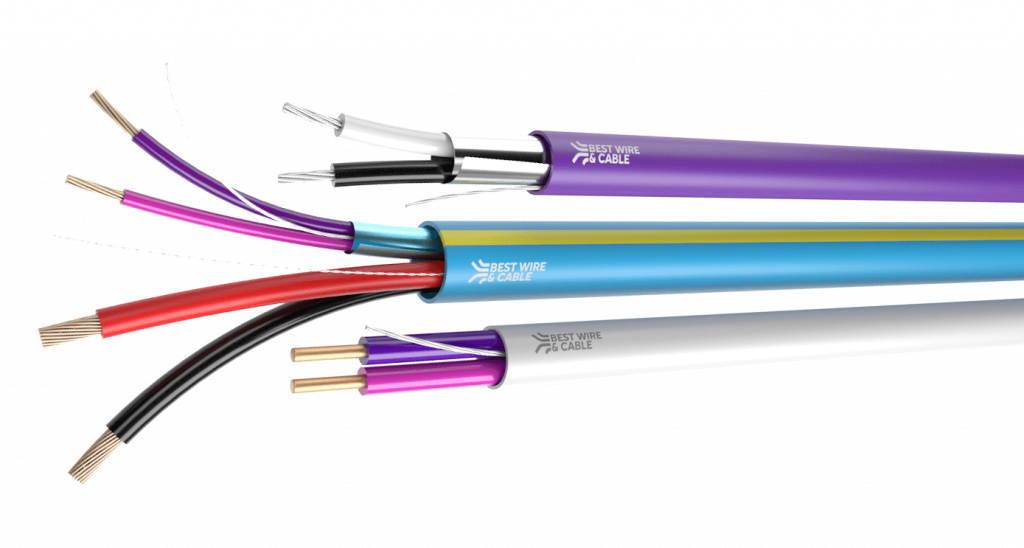
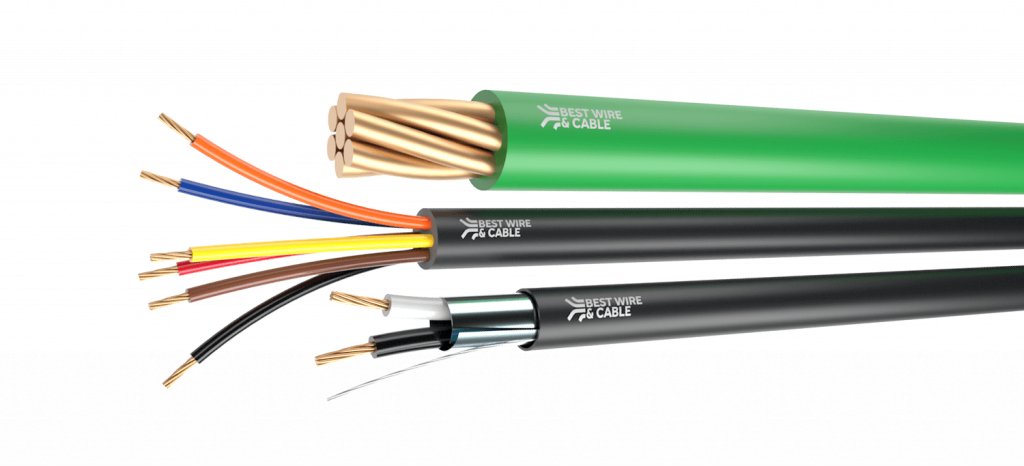
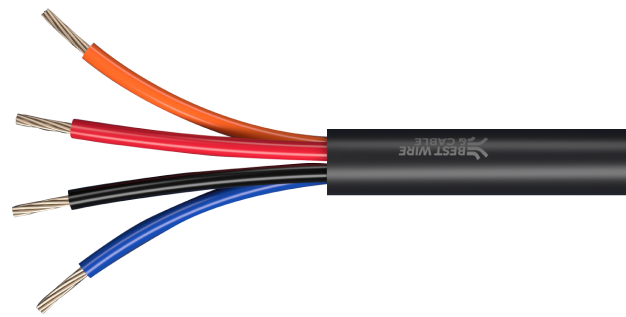
This creates demand for control and instrumentation cable.
Common conductor sizes include:
- 22 AWG
- 20 AWG
- 18 AWG
- 16 AWG
- 14 AWG
Cable configurations can range from simple 2-conductor cables to multi-conductor cables containing 10, 20, or more conductors.
Shielded twisted-pair cable is often used where sensitive signals must be protected from electromagnetic interference.
This is particularly important because control and communication cables may run near large power conductors, motors, VFDs, transformers, and switching equipment.
Cable Management: The Infrastructure Behind the Infrastructure
As cable quantities increase, simply having the correct cable isn’t enough.
The facility needs a way to organize, support, protect, and route it.
That makes cable management increasingly important.
Common data-center cable-management products include:
- Cable tray
- Ladder tray
- Wire basket
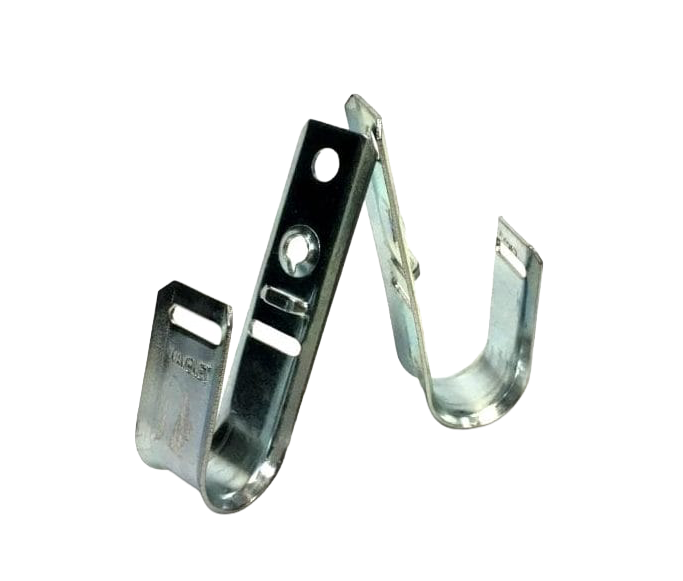
- J-hooks
- Conduit
- Raceway
- Cable runway
- Vertical cable managers
- Horizontal cable managers
- Fiber raceways
- Beam clamps
- Bridle rings
High-density AI environments can create enormous amounts of cabling in relatively small spaces.
Poor cable management can lead to:
- Restricted airflow
- Difficult maintenance
- Excessive bend radius
- Cable congestion
- Increased installation time
- Difficult troubleshooting
- Reduced scalability
For fiber, maintaining proper bend radius is especially important because excessive bending can increase attenuation and compromise network performance.
AI Is Also Changing How Cable Is Designed
The biggest change isn’t simply more cable.
It is the need to design infrastructure around higher density and future expansion.
Traditional data-center planning might focus on today’s server requirements. AI infrastructure increasingly requires engineers to ask:
What will this facility require five years from now?
That means planning for:
- Higher rack power
- More fiber
- Larger electrical conductors
- Additional cable pathways
- More cooling infrastructure
- More grounding
- Higher-density cable trays
- Future network upgrades
This is particularly important because data-center buildings can remain operational for decades while the technology inside them changes rapidly.
Copper Supply Could Become a Major Infrastructure Challenge
The growth of AI creates an interesting problem for the wire and cable industry.
The world needs more electricity to operate AI infrastructure, and delivering that electricity requires copper, aluminum, transformers, switchgear, and cable.
S&P Global estimates that global copper demand could reach 42 million metric tons annually by 2040, while the study projects a potential 10-million-metric-ton supply shortfall without significant expansion of supply.
S&P also estimates that AI and data centers could account for approximately 2 million metric tons of additional copper demand between 2025 and 2040 when considering data-center infrastructure and associated power requirements.
This could have significant consequences for:
- Cable pricing
- Lead times
- Manufacturer capacity
- Inventory planning
- Copper procurement
- Project budgeting
For contractors and distributors, purchasing strategies may become increasingly important as large infrastructure projects compete for the same electrical materials.
The Future of Data-Center Cable Infrastructure
The data center of the future will look very different from the data center of the past.
AI is pushing facilities toward higher electrical loads, higher networking speeds, denser racks, and more sophisticated cooling and automation systems.
The numbers demonstrate the scale of the transformation:
- $22.55 billion: estimated global data-center wire and cable market in 2026
- $32.92 billion: projected market size by 2031
- 7.86%: projected CAGR from 2026–2031
- 945 TWh: projected global data-center electricity consumption in 2030
- 1.1 million metric tons: estimated data-center copper demand in 2025
- 2.5 million metric tons: projected data-center copper demand in 2040
- 50%: projected increase in global copper demand from 2025–2040
Conclusion
Power cable supplies the energy. Fiber moves the data. Control cable manages the equipment. Grounding protects the facility. Cable management keeps everything organized and scalable. Together, these systems form the physical foundation of the AI economy.
Click below to view our products!