







NVIDIA and Corning’s Fiber Expansion Signals Massive Growth for AI Infrastructure and the Wire & Cable Industry
Artificial intelligence is rapidly transforming the global economy, and behind this technological revolution lies an enormous physical infrastructure buildout that many people rarely see. While headlines often focus on GPUs, AI software, and cloud computing, one of the most critical components enabling this growth is fiber optic connectivity.
Recently, NVIDIA and Corning drew major industry attention with initiatives tied to expanding U.S.-based optical fiber production and AI infrastructure development. The move reflects a growing reality across the technology and construction sectors: AI data centers require enormous amounts of fiber optic cable and supporting wire and cable infrastructure to operate efficiently.
As hyperscale data centers continue expanding across the United States, the demand for fiber, power distribution, low-voltage cabling, controls, cooling infrastructure, and life safety systems is reaching unprecedented levels.
For the wire and cable industry, this represents one of the largest infrastructure opportunities in decades.
Why AI Infrastructure Requires Massive Amounts of Fiber
Modern AI systems process extraordinary amounts of data at incredibly high speeds. Unlike traditional server environments, AI data centers rely heavily on GPU clusters that continuously communicate with each other in real time.
These GPU systems require ultra-fast networking speeds to transfer data between:
- Servers
- Storage systems
- Networking switches
- Cloud platforms
- AI training clusters
To support this level of communication, data centers are rapidly adopting:
- 400G Ethernet
- 800G Ethernet
- Emerging 1.6T networking architectures
Fiber optic cable has become the backbone of this infrastructure because it offers:
- High bandwidth capacity
- Low latency
- Faster data transmission
- Reduced signal loss
- Scalability for future upgrades
Without fiber infrastructure, modern AI facilities simply cannot operate at the performance levels required by today’s technology companies.
As AI adoption accelerates, hyperscale operators are building larger and more power-dense facilities than ever before, dramatically increasing the amount of fiber cable required inside each project.
Data Centers Have Become Massive Infrastructure Ecosystems
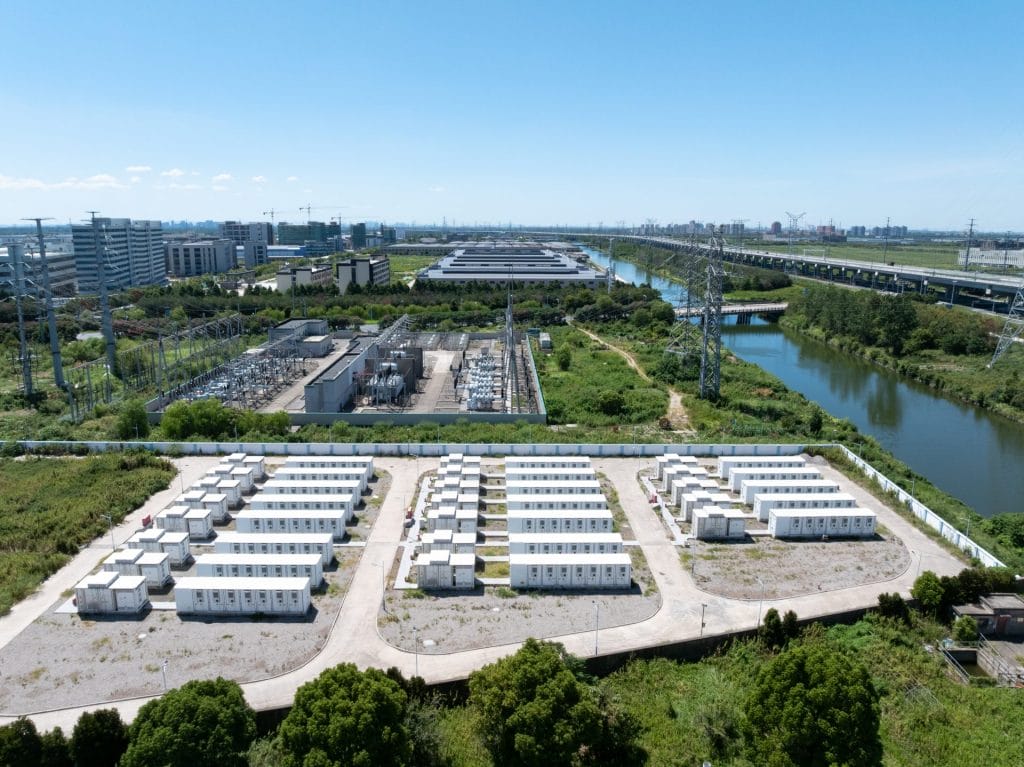
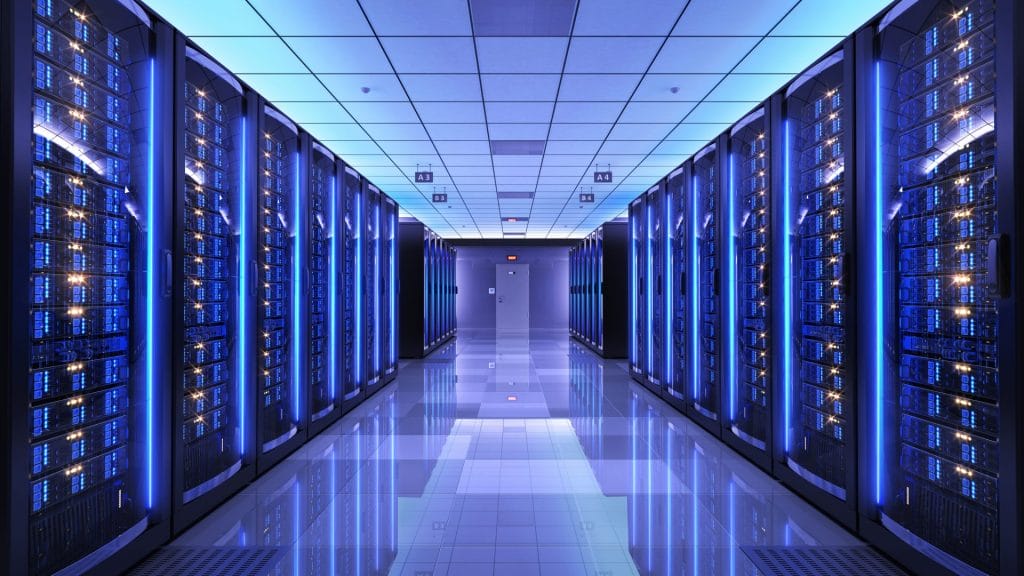
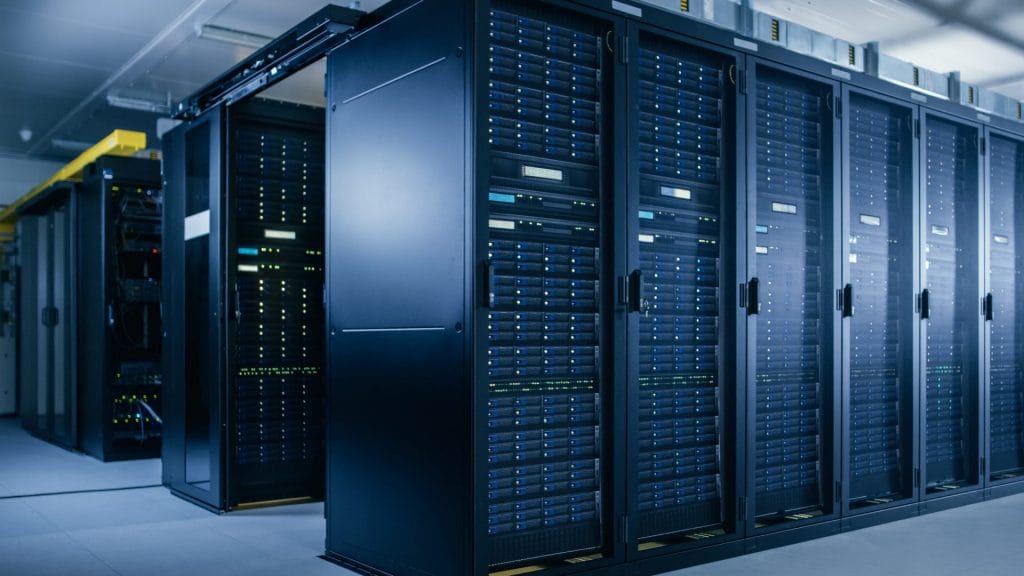
The average person may think of a data center as a building filled with servers, but in reality, modern AI facilities function more like highly sophisticated industrial ecosystems.
Behind every AI data center is a massive network of:
- Fiber optic cabling
- Medium-voltage power cable
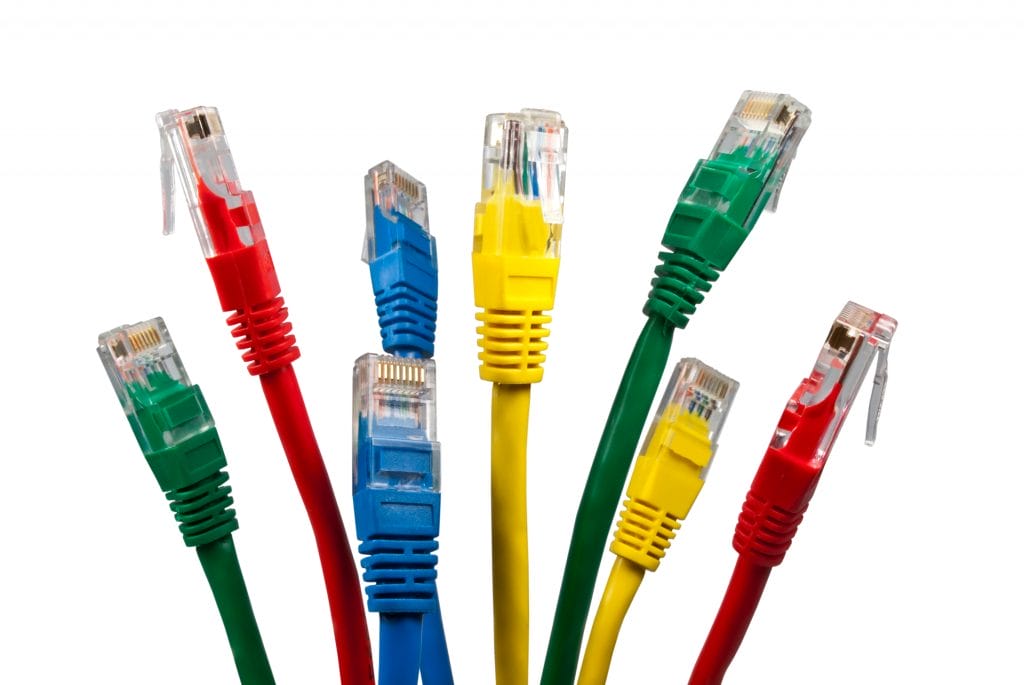
- Structured cabling systems
- Grounding and bonding infrastructure
- Cooling system controls
- Fire alarm systems
- Security and access control wiring
- Monitoring and automation systems
Some hyperscale campuses now span millions of square feet and consume as much electricity as small cities.
The amount of cable required to build these facilities is staggering.
A single hyperscale AI campus may require:
- Hundreds of miles of fiber optic cable
- Thousands of power connections
- Extensive low-voltage infrastructure
- Redundant backup systems
- Complex cooling and monitoring networks
And unlike traditional commercial buildings, data centers are constantly evolving.
AI Growth Is Creating Long-Term Cable Demand
One of the most important aspects of AI infrastructure is that cable demand does not stop after initial construction is complete.
Data centers continually undergo:
- GPU upgrades
- Networking expansions
- Cooling system retrofits
- Power distribution improvements
- Security upgrades
- Infrastructure scaling
As newer AI chips become more powerful, they generate more heat and require faster connectivity. This creates ongoing demand for:
- Additional fiber trunks
- Higher-density cabling
- Expanded cooling controls
- New power systems
- Upgraded network architecture
In many cases, operational facilities continue installing new cable infrastructure for years after the original buildout is completed.
This continuous upgrade cycle is becoming a major long-term driver for the wire and cable industry.
Domestic Fiber Production Is Becoming Increasingly Important
The push toward expanding U.S.-based fiber production also highlights a larger trend within the infrastructure sector: supply chain reliability and domestic manufacturing are becoming critical priorities.
Over the past several years, contractors, integrators, and developers have faced major challenges involving:
- Long lead times
- Material shortages
- Shipping delays
- Price volatility
- Overseas supply chain disruptions
As a result, many infrastructure projects are placing greater emphasis on:
- Domestic sourcing
- Reliable inventory availability
- Faster turnaround times
- Strong distribution networks
The expansion of U.S.-based optical fiber production helps support the growing need for scalable infrastructure while reducing dependence on overseas manufacturing.
For companies operating in the wire and cable industry, these trends are creating significant opportunities to support:
- Data center construction
- AI infrastructure
- Smart buildings
- Cloud computing facilities
- Utility upgrades
- Large-scale commercial projects
The Wire and Cable Industry Plays a Critical Role in AI Infrastructure
While advanced processors and software often dominate discussions about AI, the physical infrastructure supporting these systems is equally important.
Every AI platform ultimately depends on:
- Electrical infrastructure
- Fiber connectivity
- Cooling systems
- Monitoring systems
- Power redundancy
- Structured cabling
Without these systems working together, data centers cannot maintain the reliability and performance levels required for modern AI applications.
As infrastructure projects continue accelerating across the United States, the wire and cable industry is positioned at the center of this transformation.
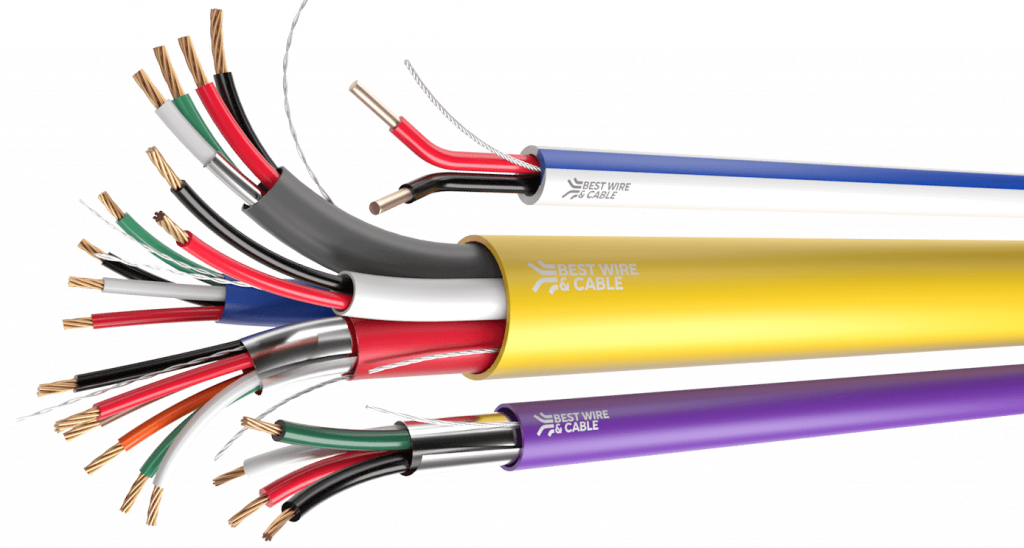
We understand the growing importance of reliable infrastructure solutions in today’s rapidly evolving technology landscape. From fiber optic cable and structured cabling products to low-voltage and power distribution solutions, supporting modern infrastructure requires dependable products, responsive service, and the ability to adapt to fast-moving project demands.
As AI-driven construction continues reshaping the market, contractors, integrators, and developers increasingly need suppliers that can help support evolving infrastructure requirements with reliable inventory and scalable solutions.
The Future of AI Is Also the Future of Infrastructure
The rapid expansion of AI is not only a software revolution — it is also a massive physical infrastructure expansion.
Every new AI data center requires enormous investments in:
- Fiber optics
- Copper infrastructure
- Electrical systems
- Cooling technologies
- Building automation
- Security systems
- Life safety networks
And as technology continues advancing, the need for upgraded infrastructure will only increase.
The recent focus on expanding fiber production demonstrates how seriously the industry is preparing for the next generation of AI growth. As hyperscale facilities continue expanding across the country, the demand for wire and cable infrastructure is expected to remain strong for years to come.
Click below to see what we can offer for your Data Center.